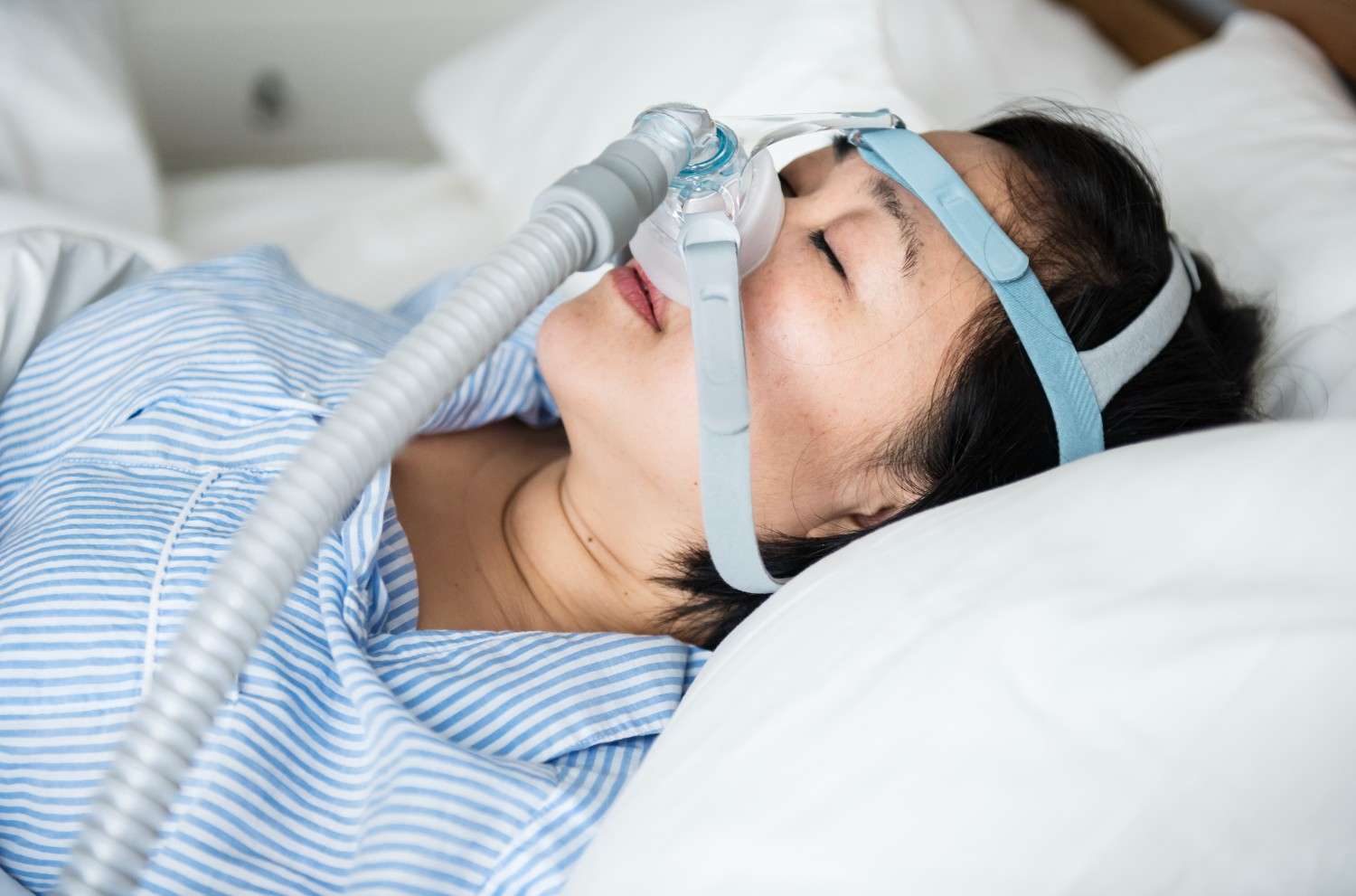

Snoring happens when air moves through a narrow airway and makes the soft tissues in your throat vibrate while you sleep. It can happen sometimes or become a regular problem. Snoring treatments in San Diego may help if you snore often, have trouble sleeping, or have other breathing problems. Common causes include sleeping on your back, a blocked nose, drinking alcohol, not getting enough sleep, and the natural shape of your mouth and throat. Being overweight may also increase the chance of snoring.
Snoring is not always a sign of a serious problem. However, loud or frequent snoring can sometimes be linked to obstructive sleep apnea.
Why Does Snoring Happen?
The main cause of snoring is a narrowed airway during sleep. As the muscles in the throat relax, the space for air to pass can narrow. Air then passes over relaxed tissues, causing them to vibrate and create the sound known as snoring.
Several factors can make this more likely:
- Sleeping on your back
- Nasal congestion from allergies or a cold
- Drinking alcohol before bedtime
- Not getting enough sleep
- Having a naturally narrow airway
- Having extra tissue around the throat
- Being overweight
The cause can differ from person to person, so identifying what may be affecting your breathing can help guide your next steps.
Can Your Sleeping Position Cause Snoring?
Yes. Sleeping on your back can make snoring more likely because the tongue and other soft tissues may move backward, narrowing the airway. This can make airflow more difficult and increase tissue vibration.
Sleeping on your side may help reduce snoring for some people. Keeping a regular sleep schedule and getting enough sleep may also help, especially when tiredness contributes to throat relaxation.
Can Alcohol and Nasal Problems Make Snoring Worse?
Alcohol can relax the muscles in your throat, which may make your airway narrower while you sleep. This can make snoring more likely or louder. A blocked nose can also make it harder to breathe through your nose and may lead to snoring.
Simple steps that may help include:
- Limiting alcohol close to bedtime
- Managing allergies or nasal congestion
- Getting enough sleep
- Sleeping on your side
- Maintaining a healthy weight when appropriate
These changes may help with simple snoring, but they may not be enough when an underlying sleep disorder is present.
When Could Snoring Be Linked to Sleep Apnea?
Not everyone who snores has sleep apnea. However, loud or frequent snoring can occur with obstructive sleep apnea, a condition in which the airway becomes blocked during sleep, causing breathing to stop and start repeatedly.
Signs that may deserve further evaluation include:
- Breathing pauses during sleep.
- Gasping or choking at night
- Strong daytime tiredness
- Morning headaches
- Difficulty staying focused
- Waking with a dry mouth or sore throat
A sleep apnea center in San Diego can help determine whether ongoing snoring may be related to a sleep-related breathing problem.
What Treatments May Help With Snoring?
Treatment depends on what is causing the snoring. A healthcare professional may first look at sleep habits, nasal problems, weight, sleeping position, and other factors that could be affecting the airway.
Snoring treatments near you may include lifestyle changes, treatment for a blocked nose, oral devices, or other options. If you have sleep apnea, treatment may include a breathing machine or an oral device, depending on your needs.
A proper evaluation is important because treatment for simple snoring may differ from that for sleep apnea.
When Should You Get Snoring Evaluated?
Regular snoring should not be ignored when it is loud, persistent, or linked with signs of poor sleep or breathing problems. A sleep apnea center near you can assess symptoms and determine whether further sleep testing may be needed.
It is important to seek professional help if someone stops breathing, chokes, or gasps during sleep. Feeling very sleepy during the day, especially when it affects focus or daily activities, is another reason to get checked.
Find the Right Approach for Your Snoring!
Snoring can have several causes, and the right approach depends on what affects your breathing during sleep. Understanding the cause can help guide appropriate care rather than relying only on general snoring remedies.
Book an appointment with Sleep Apnea Center SD to discuss your snoring, identify possible causes, and learn whether you may need further testing or treatment.
FAQs
Why do I snore even when I am not overweight?
Weight is only one possible cause of snoring. A blocked nose, sleeping position, alcohol use, or a naturally narrow airway can also cause snoring.
Can changing my sleeping position stop snoring?
Sleeping on your side may reduce snoring for some people because it can help prevent the airway from narrowing as much as it does when sleeping on your back.
Is snoring always a sign of sleep apnea?
No. Many people snore without having sleep apnea. But if snoring happens with pauses in breathing, gasping, or feeling very tired during the day, you should talk to a doctor.
Can allergies cause snoring?
Yes. Nasal congestion from allergies can make it harder to breathe through the nose and may contribute to snoring. Treating the underlying congestion may help in some cases.