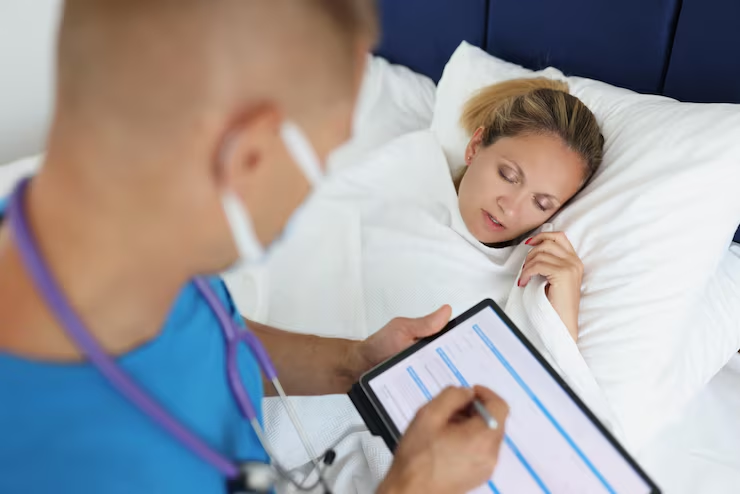
For mild to moderate sleep apnea, both CPAP and oral devices can help keep the airway open during sleep. CPAP usually does a better job of stopping breathing problems, while some people find oral devices easier and more comfortable to use. The right treatment depends on how serious the sleep apnea is, the shape of the airway, and what feels comfortable. A Sleep Apnea Dentist in San Diego can check your needs and explain the available options. A sleep study is usually needed to confirm sleep apnea and help choose the right treatment.
What Is the Difference Between CPAP and Oral Appliance Therapy?
CPAP and oral appliances work in different ways, but both aim to reduce breathing interruptions during sleep.
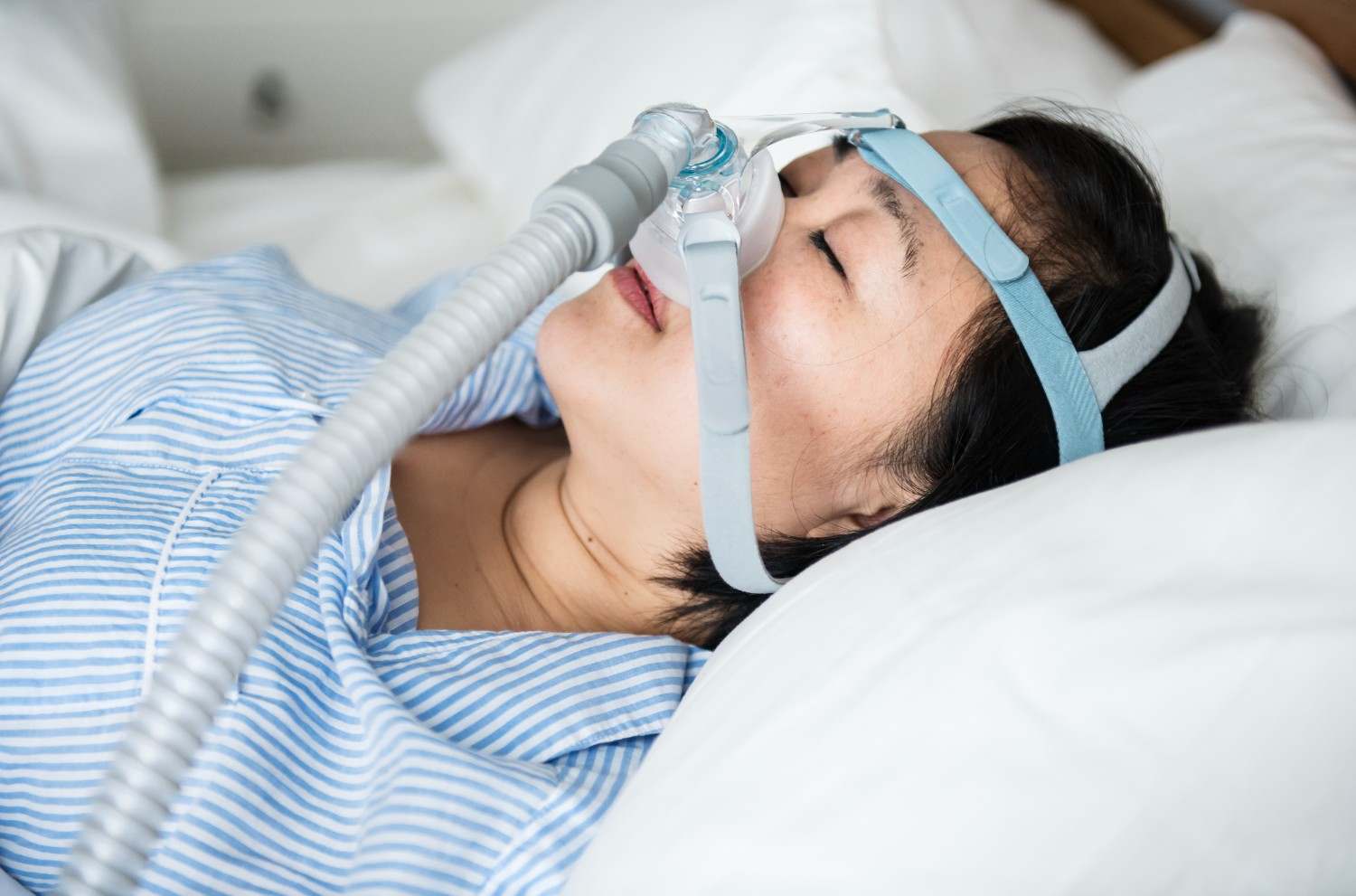
CPAP (Continuous Positive Airway Pressure)
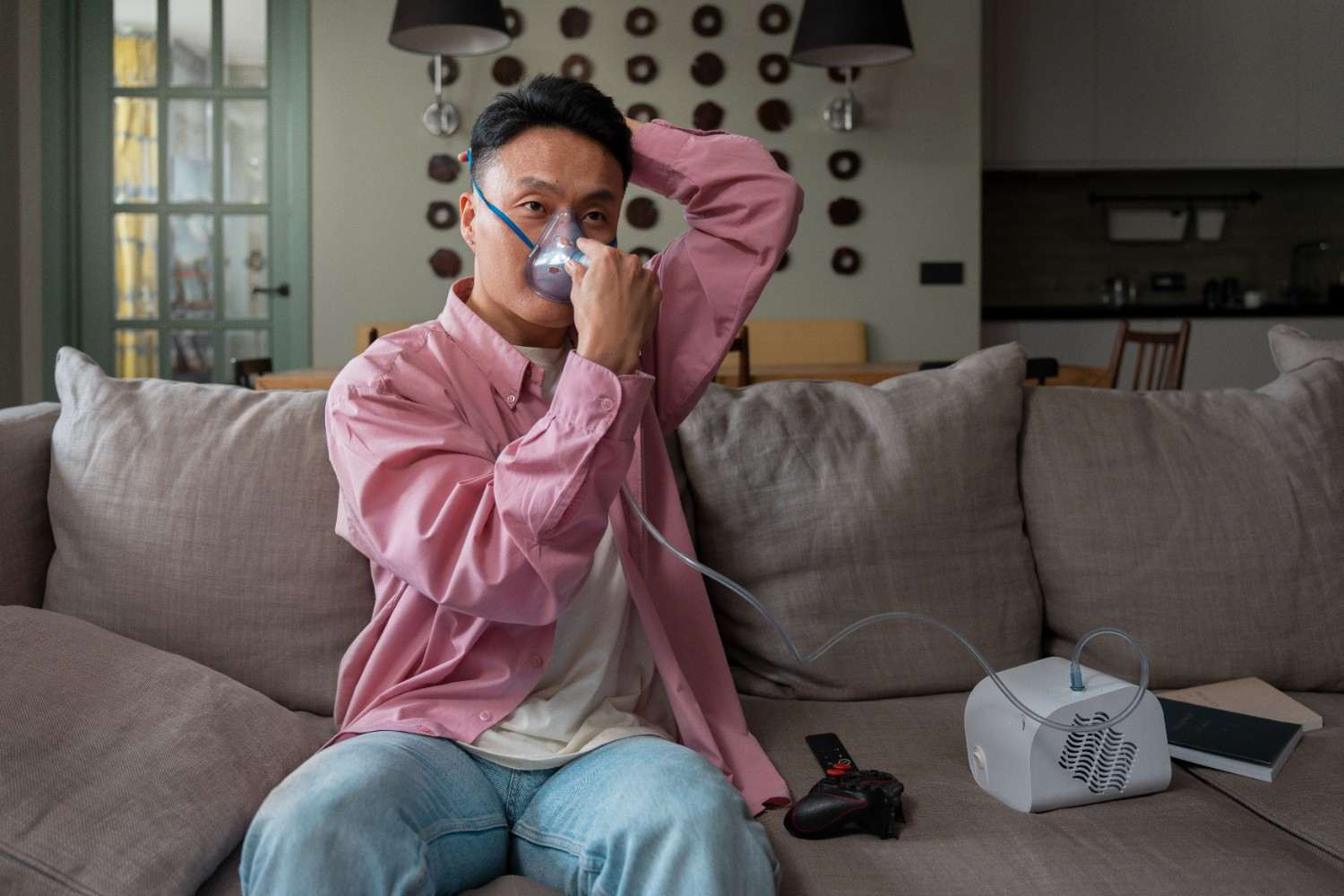
CPAP uses a machine that sends a steady flow of air through a mask worn over the nose or nose and mouth. This air pressure helps keep the airway open while sleeping.
Benefits include:
- Helps reduce breathing pauses and snoring.
- Can work well for mild, moderate, and severe sleep apnea.
- May improve sleep quality and daytime tiredness when used regularly.
- Allows pressure settings to be adjusted based on treatment needs.
However, some people find the mask uncomfortable or have trouble getting used to the machine. Dry mouth, nasal dryness, and mask leaks may also occur.
Oral Appliance Therapy
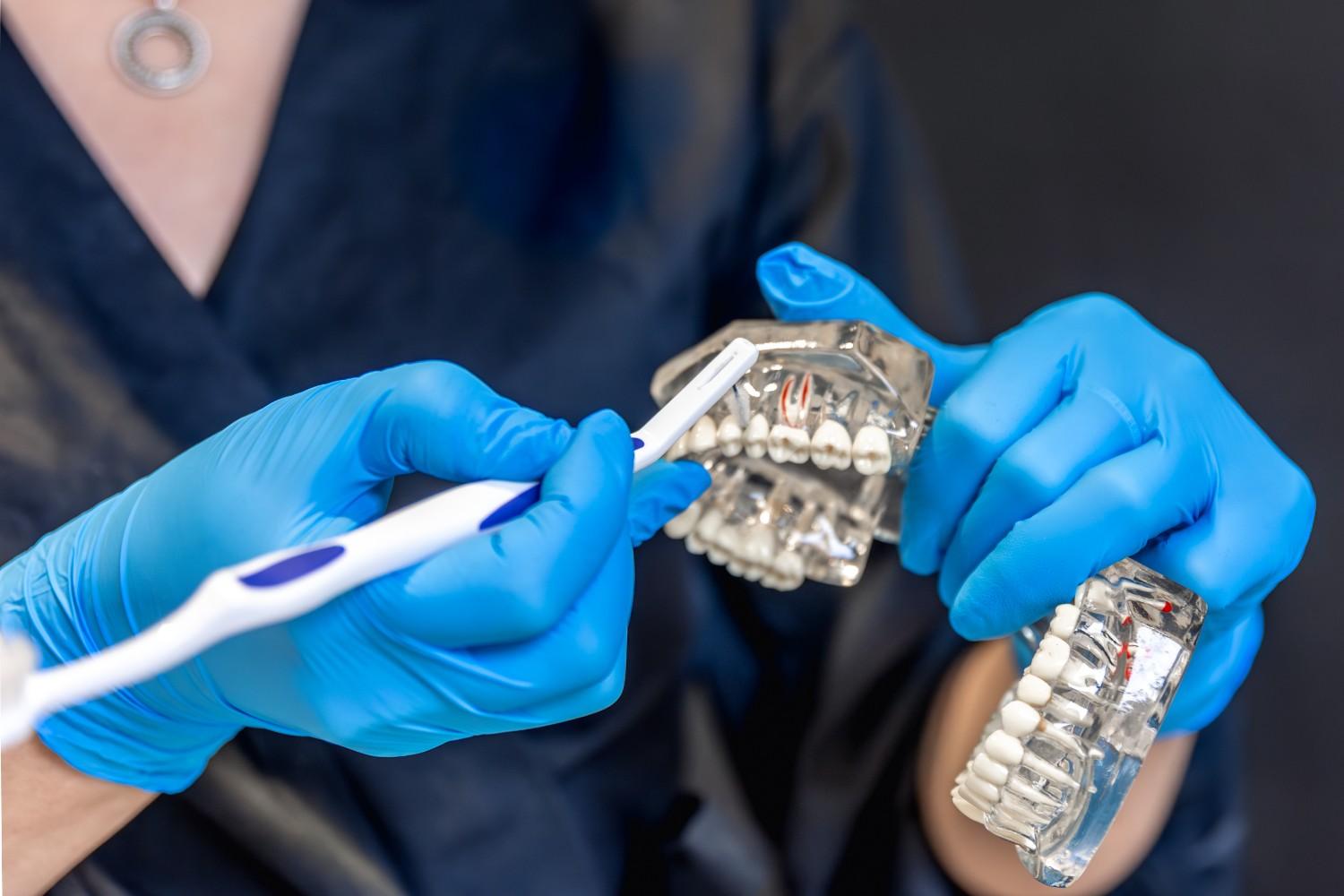
An oral appliance is a custom-made device worn over the teeth during sleep. A common type is a mandibular advancement device. It gently moves the lower jaw forward to help keep the airway open.
Benefits include:
- Small and easy to carry when travelling.
- Does not require a machine, mask, or power supply.
- May be easier to wear for people who struggle with CPAP.
- Can reduce snoring and breathing interruptions in suitable cases.
Oral appliance therapy in San Diego may be considered for people with mild to moderate sleep apnea, especially when CPAP is not preferred or is difficult to tolerate.
CPAP vs Oral Appliance: Which Is More Effective?
CPAP usually does a better job of reducing breathing problems during sleep. It is often used for moderate-to-severe sleep apnea and may also help with mild cases.
An oral device may help people with mild to moderate sleep apnea, but it does not work the same for everyone. It may not work as well as CPAP, especially when the airway is badly blocked.
The choice depends on:
- The number of breathing interruptions during sleep.
- The position and structure of the jaw and airway.
- Whether CPAP can be worn comfortably throughout the night.
- Dental health and the condition of the teeth and gums.
- Treatment results confirmed through follow-up sleep testing.
A Sleep Apnea Dental office Near You can help review the sleep study results and discuss which treatment may provide better control.
Who May Benefit From an Oral Appliance?
Oral appliance therapy near you may be suitable when:
- Sleep apnea is mild or moderate.
- CPAP is difficult to tolerate or use regularly.
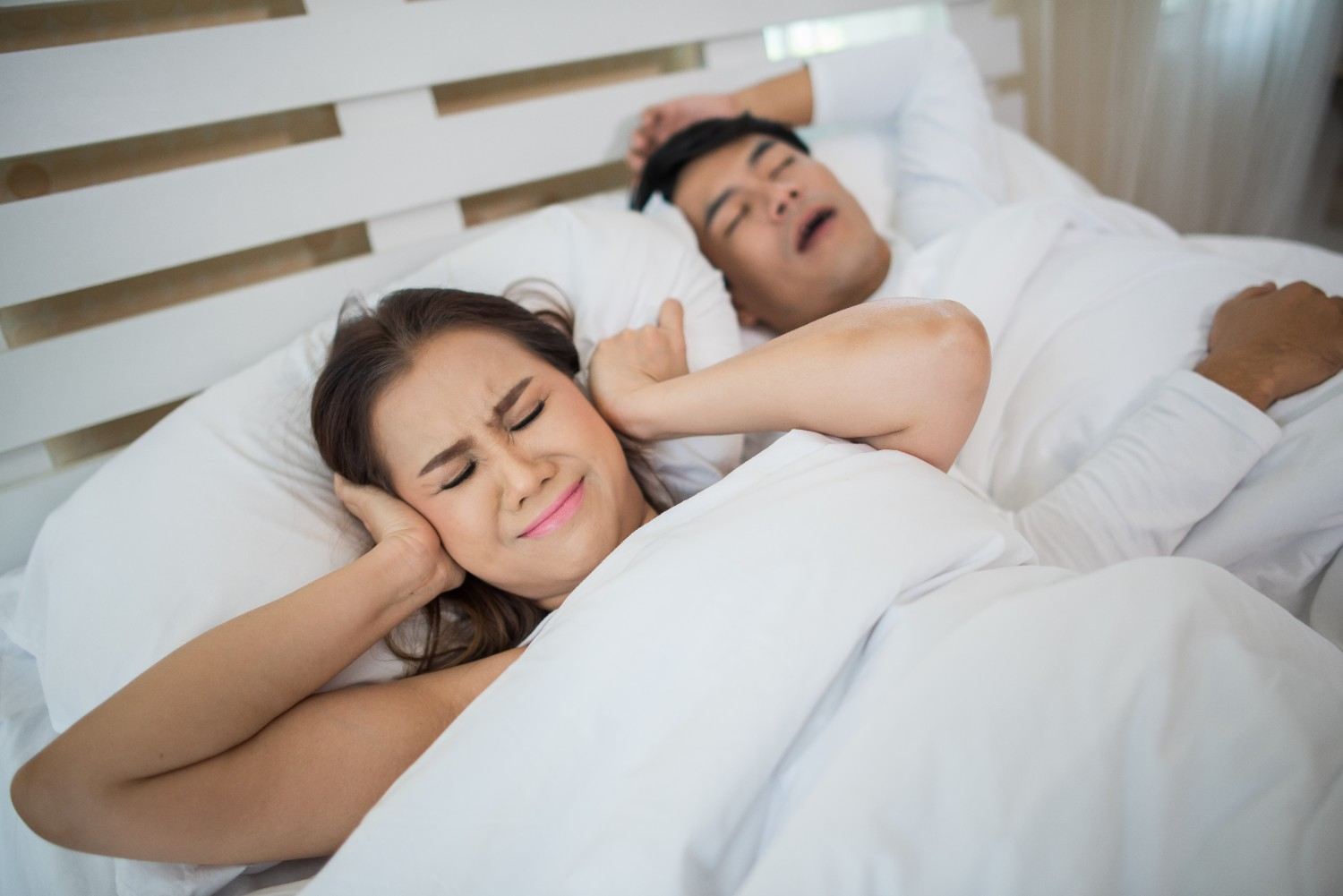
- Snoring is linked to airway narrowing during sleep.
- The teeth and jaw are healthy enough to support the device.
A sleep apnea dentist in San Diego can check the teeth, bite, and jaw before recommending a custom device. Regular dental visits are also important because oral appliances may cause jaw discomfort, tooth movement, or changes in the bite over time.
Are There Other CPAP Alternatives?
Some people look for CPAP alternatives in San Diego when they cannot use a CPAP machine comfortably. However, not every alternative provides the same level of breathing support.
Other sleep apnea treatment options may include:
- Weight management: Losing excess weight may reduce airway pressure and improve symptoms in some people.
- Positional therapy: Sleeping on the side instead of the back may help people whose sleep apnea is worse when lying on their back.
- Surgery: Certain procedures may help address specific airway problems
- when other treatments are not suitable or effective.
These options depend on the cause and severity of sleep apnea. They should not replace prescribed treatment without medical guidance.
How Do You Choose the Right Treatment?
Choosing between CPAP and an oral appliance requires more than comparing comfort. The treatment must also control breathing interruptions during sleep.
A sleep apnea dentist in San Diego can assess whether an oral appliance is suitable and, when appropriate, arrange a custom-fitted device. A follow-up sleep study can help confirm whether the appliance is working.
If CPAP is difficult to use, CPAP alternatives near you may be worth discussing with a qualified sleep specialist. The goal is to find a treatment that controls sleep apnea and can be used consistently.
Find a Sleep Apnea Treatment That Fits Your Needs!
Managing sleep apnea requires a treatment that supports better breathing throughout the night. CPAP and oral appliances both have a role, but their suitability depends on sleep study results, dental health, and personal comfort. Contact a Sleep Apnea Center SD to discuss your symptoms, review available treatment options, and book an assessment.
FAQs
Is an oral device as effective as CPAP?
Usually, no. CPAP is generally better at stopping breathing problems during sleep. However, an oral device may help people with mild to moderate sleep apnea, especially if they find it hard to use CPAP.
Can an oral appliance completely stop snoring?
It may reduce snoring by helping keep the airway open. However, results vary, and snoring may continue if other factors affect breathing during sleep.
Can you switch from CPAP to an oral appliance?
Yes, switching may be possible after a sleep specialist reviews the condition and treatment results. A custom appliance and follow-up sleep testing are important to check whether the new treatment works.
Are CPAP alternatives suitable for severe sleep apnea?
Some alternatives may help in selected cases, but CPAP is often the preferred treatment for severe sleep apnea. A specialist should assess other options before changing treatment.