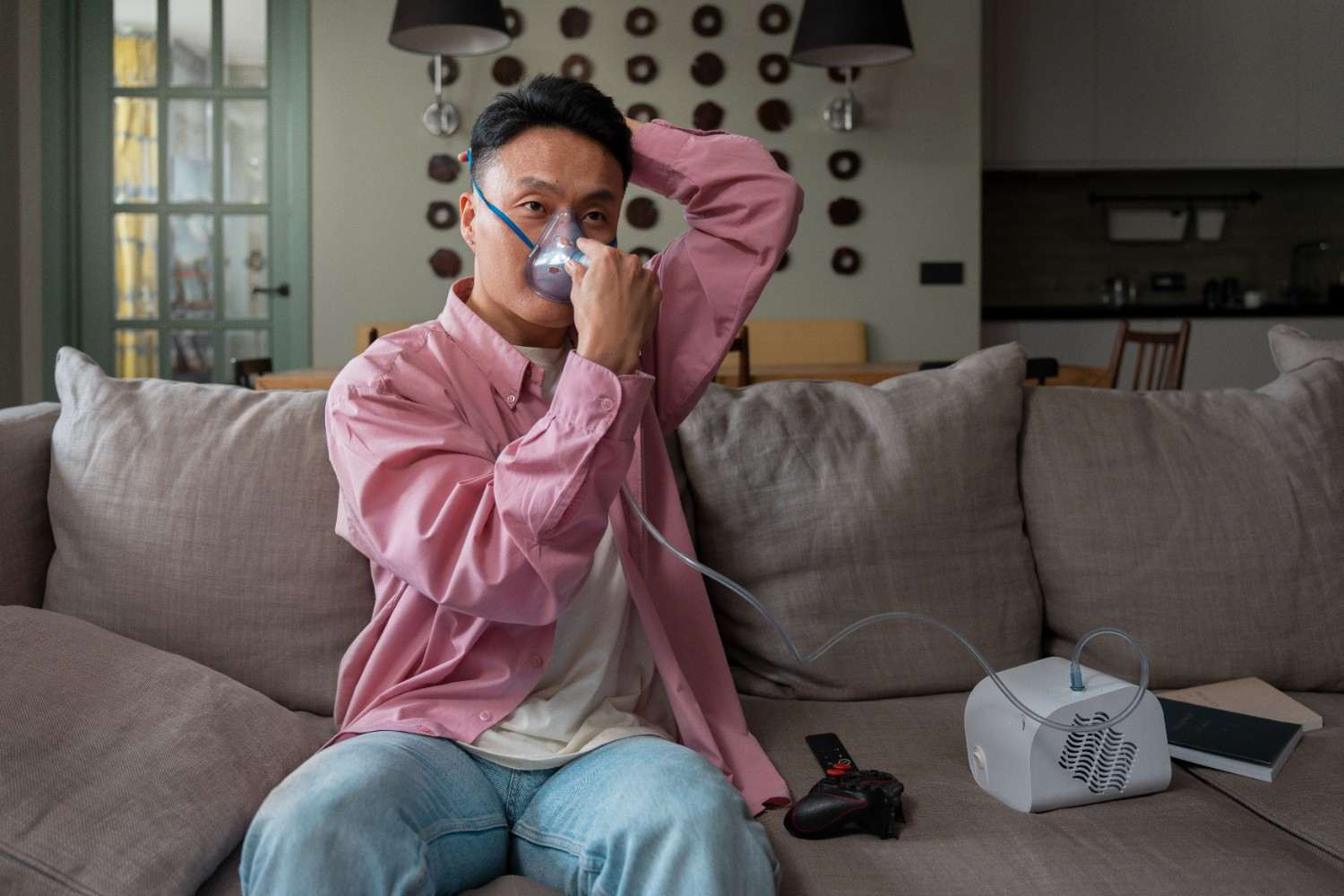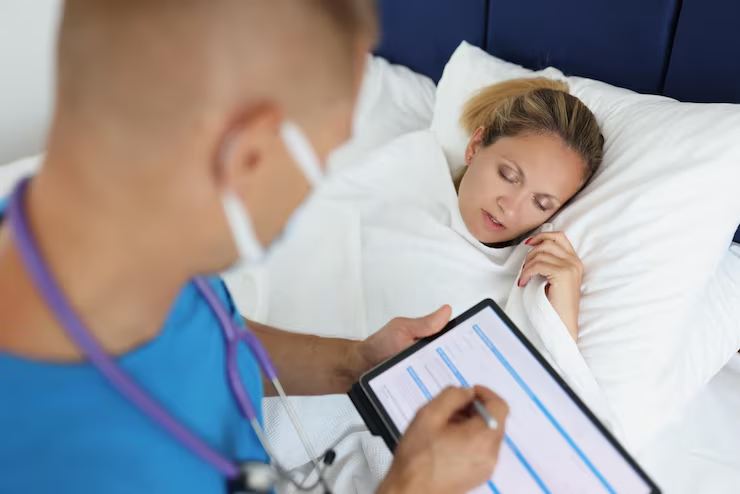
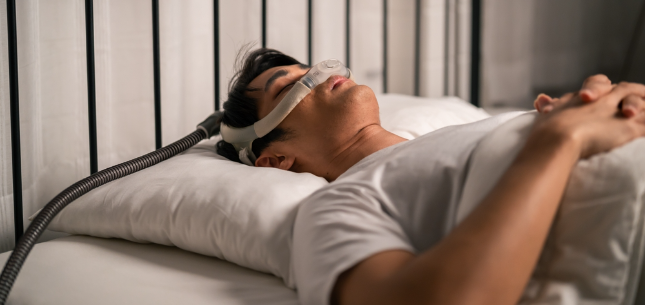
Morning headaches, constant tiredness, and trouble concentrating may be more than just signs of a poor night’s sleep. They can also be signs of sleep apnea, a condition that causes breathing to stop or become shallow many times during sleep. Sleep apnea treatment in San Diego starts with understanding these warning signs and finding out what is affecting sleep. Loud snoring is one common symptom, but not everyone with sleep apnea snores. Some people may wake up with a dry mouth, feel tired during the day, or struggle with brain fog. Recognizing these changes can help identify a possible sleep problem and encourage timely medical evaluation.
What Are the Common Signs of Sleep Apnea?
Sleep apnea occurs when the airway is blocked, or the body has trouble controlling breathing during sleep. This can cause breathing to stop for short periods, lower oxygen levels, and disturb sleep.
Common signs of sleep apnea include:
- Loud and frequent snoring.
- Someone noticing that you stop breathing while sleeping.
- Waking up suddenly while choking or gasping for air.
- Waking up with a headache or dry mouth.
- Feeling tired even after sleeping for many hours.
- Having trouble focusing or remembering things.
- Mood changes, irritability, or low energy.
Not everyone experiences the same symptoms. A sleep apnea center in San Diego can help explain the next steps when these warning signs are present.
Morning Headaches, Fatigue and Brain Fog: Why Do They Happen?
Morning headaches and sleep apnea can be linked because breathing interruptions may affect oxygen levels and disturb sleep. Some people wake up with a dull headache that improves as the day goes on. However, morning headaches can have other causes, so they do not confirm sleep apnea on their own.
Poor sleep can also affect the brain’s ability to focus and manage daily tasks. This may lead to:
- Daytime tiredness, even after a full night in bed.
- Trouble concentrating at work or school.
- Forgetfulness and slower thinking.
- Irritability or changes in mood.
- Feeling sleepy while driving or doing routine activities.
Daytime sleepiness can be caused by several health and lifestyle factors. If tiredness continues, a proper assessment can help identify the reason.
Gasping at Night: A Warning Sign to Notice
Gasping at night may occur when breathing resumes after a pause. A person may wake suddenly, feel short of breath, or experience choking during sleep. However, these episodes are not always noticed by the person experiencing them.
Other signs that may be noticed by a bed partner include:
- Repeated pauses in breathing.
- Loud snoring followed by silence.
- Sudden snorts or choking sounds.
- Restless sleep or frequent waking.
A sleep apnea center near you can help determine whether these symptoms need further testing.
What Can Increase the Risk of Sleep Apnea?
Certain factors can increase the chance of developing sleep apnea. These include:
- Extra weight, which may increase pressure around the airway.
- A naturally narrow airway or certain jaw and throat features.
- Larger tonsils, especially in children.
- Getting older.
- Family history of sleep apnea.
- Alcohol use or sedative medicines, which may relax airway muscles.
Not everyone with these risk factors develops sleep apnea, and people without them can still have the condition.
Can the Risk of Sleep Apnea Be Reduced?
Some lifestyle changes may help reduce the risk or improve symptoms, especially in people with obstructive sleep apnea.
Helpful steps include:
- Maintaining a healthy weight when appropriate.
- Following a regular sleep schedule.
- Avoiding alcohol close to bedtime.
- Sleeping on the side if symptoms are worse when lying on the back.
- Discussing medicines that may affect breathing during sleep with a healthcare professional.
These steps do not replace testing or prescribed treatment. Persistent symptoms should be checked rather than managed through lifestyle changes alone.
How Is Sleep Apnea Diagnosed and Treated?
A sleep study is used to diagnose sleep apnea. It records breathing patterns, oxygen levels, and other sleep information. Depending on the situation, testing may take place at home or in a sleep centre.
Sleep apnea treatment in San Diego depends on the type and severity of the condition. Options may include:
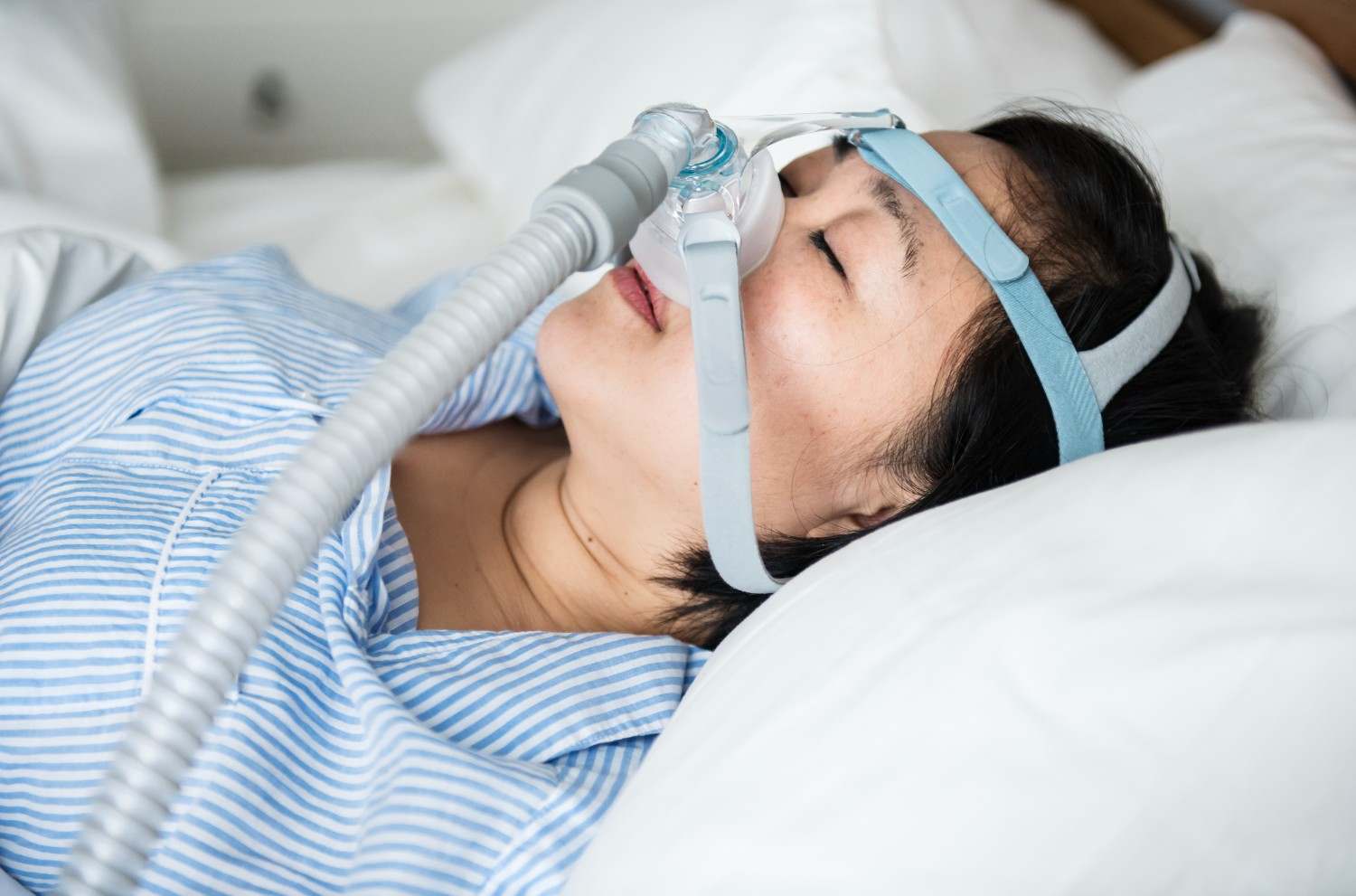
- CPAP therapy: Uses gentle air pressure through a mask to help keep the airway open.
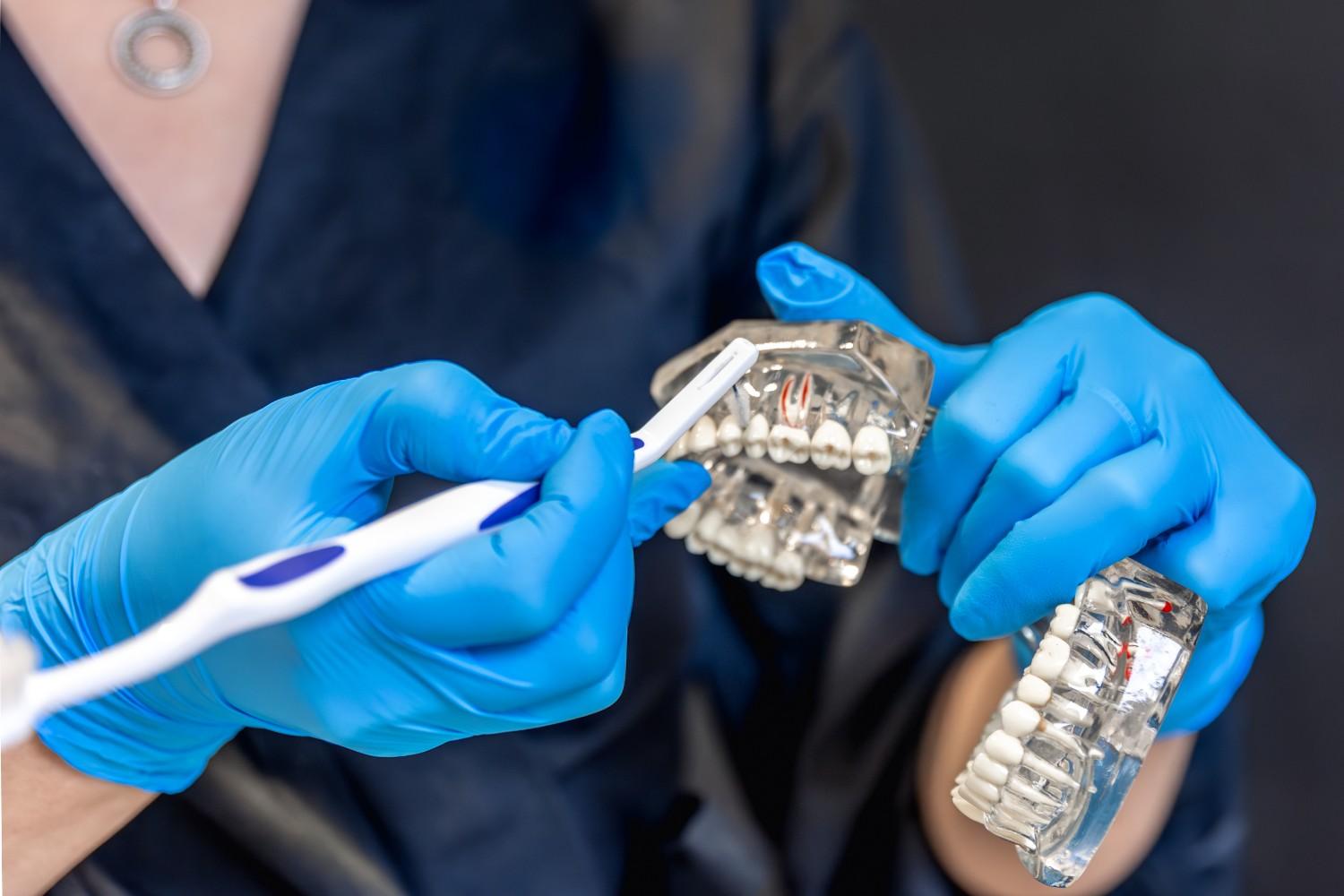
- Oral appliances: Custom-made devices that move the lower jaw forward to help keep the airway open. These may suit selected patients.
- Lifestyle changes: May support treatment and improve symptoms.
- Other medical options: May be considered when other treatments are not suitable or effective.
A sleep apnea treatment near you should be based on a confirmed diagnosis and individual needs. Follow-up checks are important to make sure treatment is working.
Understand Your Sleep, Improve Your Daily Energy!
Waking up tired, dealing with morning headaches, or struggling to stay focused during the day can affect work, relationships, and daily activities. Finding the reason behind these problems is an important step towards better rest. Sleep Apnea Center SD can help review your concerns, explain suitable evaluation options, and guide you towards care based on your needs. Schedule a consultation to discuss your sleep difficulties and learn how the right approach may help you enjoy more restful nights and feel more refreshed during the day.
FAQs
Can morning headaches be a sign of sleep apnea?
Yes. Morning headaches can happen when breathing stops and starts during sleep. This can disturb your sleep and affect oxygen levels. However, other health problems can also cause morning headaches.
Can sleep apnea cause brain fog?
Yes. Sleep apnea can disturb your sleep many times during the night. This may make it harder to focus, remember things, and think clearly during the day.
Can someone have sleep apnea without snoring?
Yes. Snoring is common, but it is not present in every case. Other signs, such as gasping, fatigue, and breathing pauses, may still occur.
Is a sleep study needed to confirm sleep apnea?
Yes. A sleep study helps confirm the condition and measure how often breathing is interrupted. Symptoms alone cannot provide a definite diagnosis.