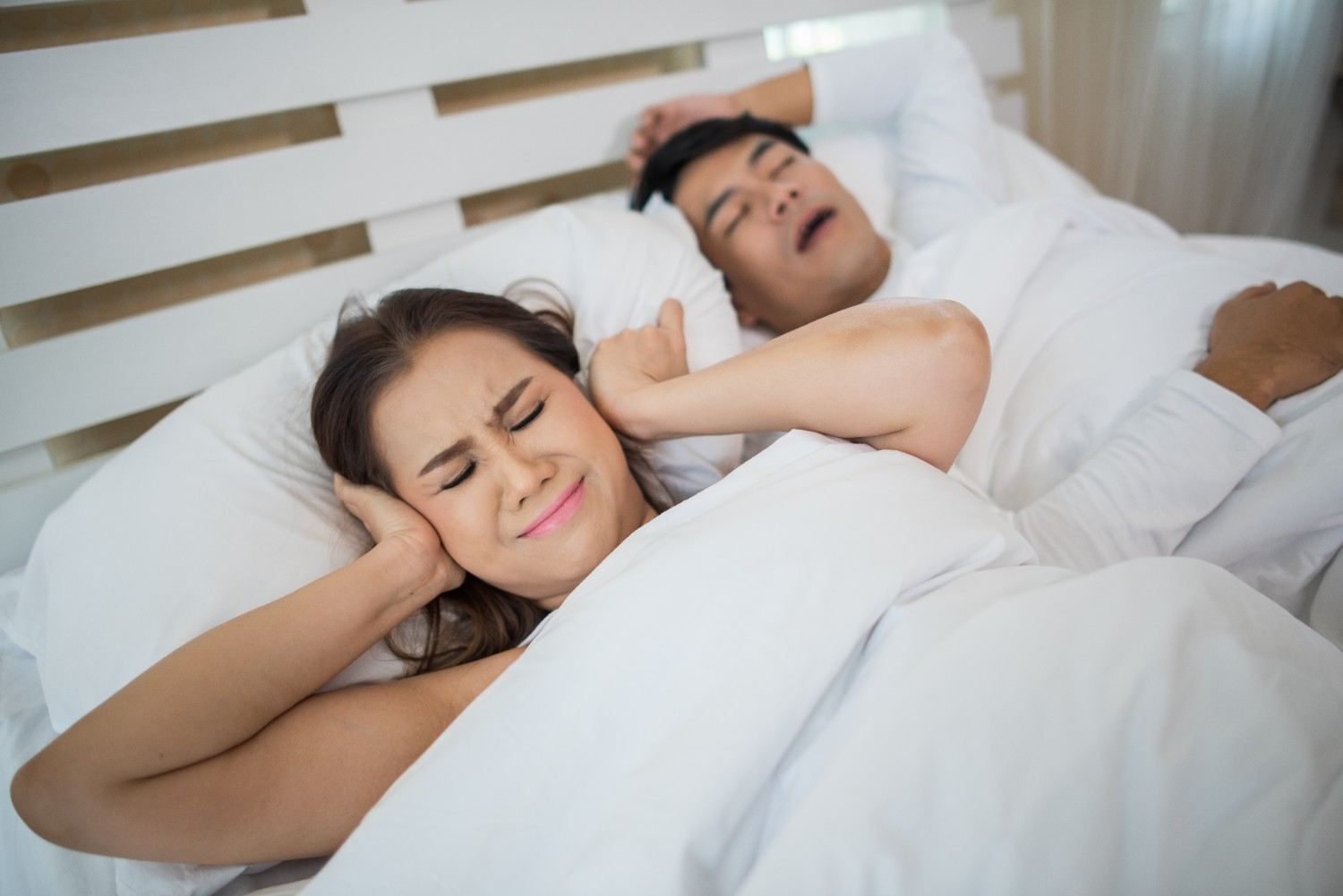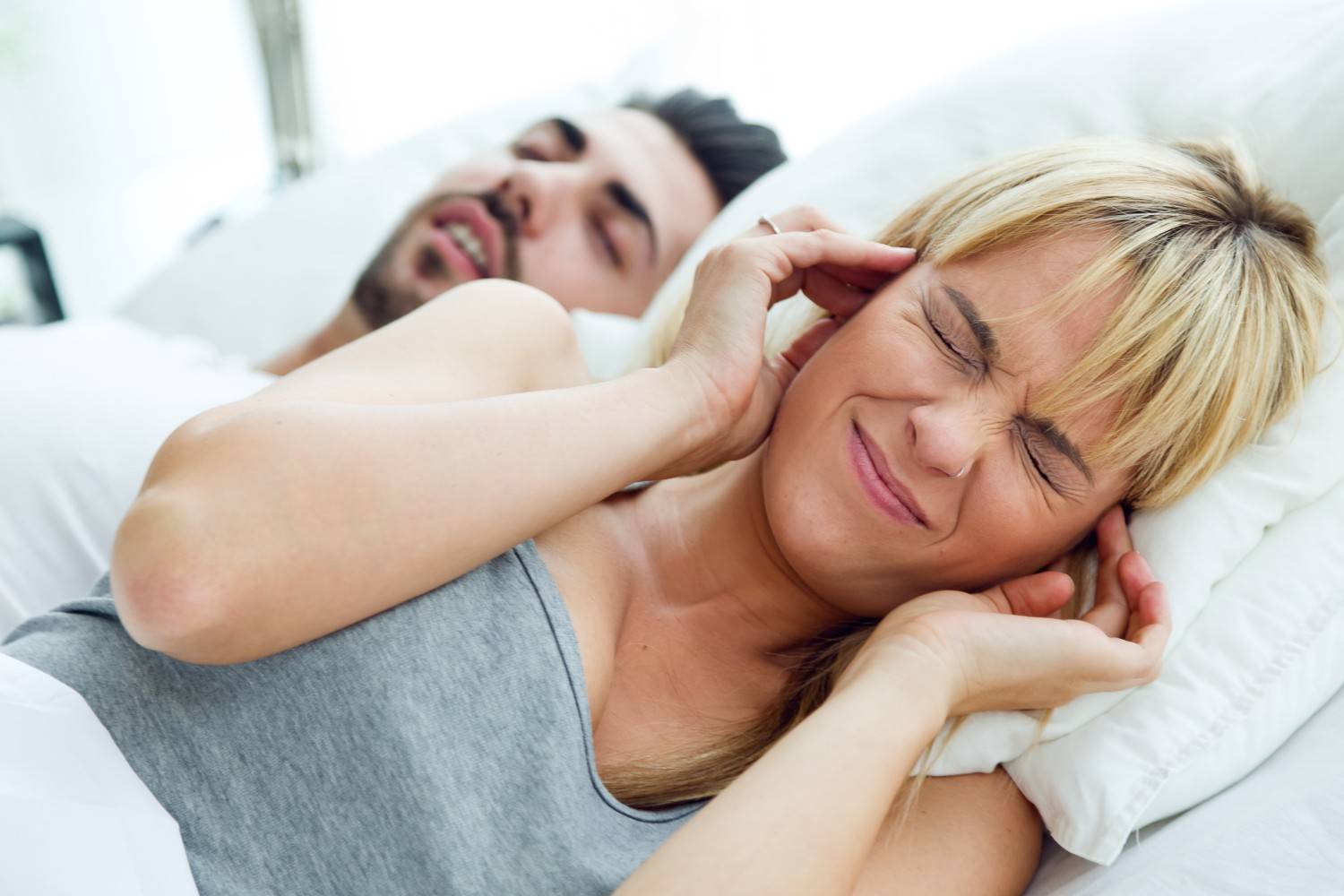
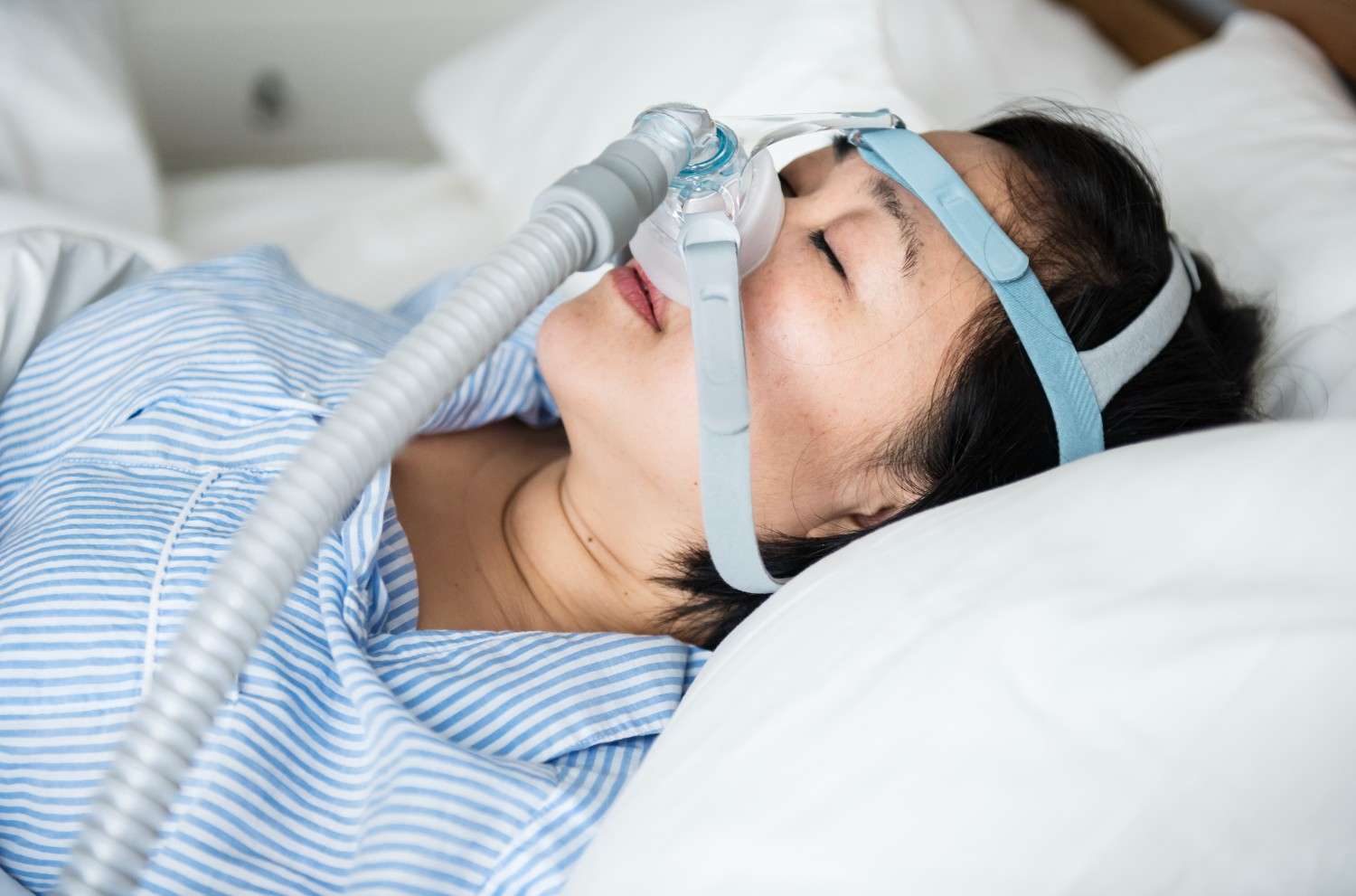
Why is snoring not the only warning sign? Many people associate sleep apnea with loud snoring, but snoring is only one possible symptom. Some individuals with sleep apnea may not realize they have a sleep-related breathing issue because the signs can appear during the day rather than at night. Getting sleep apnea testing in San Diego, California, can help find breathing problems during sleep early. Early testing can help you understand your sleep quality and may reduce the risk of future health problems.
What Is Sleep Apnea?
Sleep apnea is a condition that causes breathing to stop and start during sleep. When breathing is interrupted, the body may receive less oxygen than it needs. These interruptions can occur many times throughout the night, often without the person being aware of them.
Common effects may include:
- Poor sleep quality
- Daytime fatigue
- Difficulty concentrating
- Morning headaches
- Mood changes
Because symptoms vary from person to person, many cases remain undiagnosed.
Why Is Sleep Apnea Often Missed?
Not everyone with sleep apnea snores loudly.
Some individuals experience symptoms that seem unrelated to sleep, such as:
- Low energy
- Memory problems
- Irritability
- Difficulty focusing
- Frequent waking during the night
As a result, the condition may go unnoticed for years.
Do You Wake Up Feeling Tired Every Morning?
One of the most common warning signs is waking up feeling exhausted even after a full night’s sleep.
Healthy sleep should leave the body feeling refreshed. When breathing interruptions occur repeatedly, sleep becomes less restorative.
Possible signs include:
- Feeling tired upon waking
- Needing naps during the day
- Struggling to stay alert
- Reduced productivity
Persistent fatigue may indicate that sleep quality is being affected.
Are Morning Headaches Becoming More Frequent?
Frequent morning headaches can sometimes be linked to interrupted breathing during sleep.
Reduced oxygen levels throughout the night may contribute to headaches after waking.
These headaches often:
- Occur shortly after waking.
- Improve as the day progresses.
- Happen repeatedly over time.
Recurring headaches should not be ignored.
Do You Wake Up Gasping or Choking?
Some people experience sudden awakenings accompanied by:
- Gasping
- Choking sensations
- Shortness of breath
These events may indicate temporary breathing pauses during sleep.
If these symptoms occur regularly, professional evaluation may be beneficial.
Is Excessive Daytime Sleepiness Affecting Daily Life?
Daytime sleepiness is one of the most significant signs that sleep quality may be compromised.
Symptoms may include:
- Falling asleep while watching television
- Drowsiness during meetings
- Difficulty staying focused
- Reduced concentration
Individuals experiencing excessive daytime fatigue may benefit from evaluation at a sleep apnea center in San Diego.
Can Sleep Apnea Affect Mood and Mental Clarity?
Yes. Poor sleep can influence both emotional well-being and cognitive performance.
Some individuals experience:
- Irritability
- Mood swings
- Anxiety
- Memory difficulties
- Trouble concentrating
When the brain does not receive enough restorative sleep, mental performance may decline.
Are Frequent Nighttime Bathroom Visits a Concern?
Waking up several times during the night to urinate may sometimes be linked to sleep apnea.
Interrupted sleep cycles can affect normal body processes and contribute to more frequent nighttime awakenings.
Although other causes are possible, repeated nighttime bathroom visits may warrant further evaluation.
Does High Blood Pressure Increase Sleep Apnea Risk?
Sleep apnea and high blood pressure are often connected.
Repeated breathing interruptions may place additional stress on the body.
People with high blood pressure should discuss sleep concerns with a healthcare professional, especially if other symptoms are present.
Who Should Consider Sleep Apnea Testing?
If symptoms strike often, consider sleep testing to find the solution.
Potential candidates include individuals who experience:
- Tiredness every day.
- Early-morning headaches.
- Concentration problems
- Gasping during sleep
- Excessive daytime sleepiness
- Frequent nighttime awakenings
A sleep apnea center near you can help determine whether testing is appropriate.
What Happens During Sleep Apnea Testing Near You?
Sleep testing is designed to monitor breathing patterns during sleep.
Testing may evaluate:
- Breathing interruptions
- Oxygen levels
- Heart rate
- Sleep patterns
The collected information helps determine whether sleep apnea is present and how severe it may be.
Discover the Cause Behind Poor Sleep and Daytime Fatigue!
Sleep-related breathing problems can affect energy levels, focus, and overall well-being without always causing obvious symptoms. Understanding the warning signs early can help support better sleep and healthier daily living. Schedule an evaluation today to learn more about your sleep health with Sleep Apnea Center SD.
FAQs
Can sleep apnea happen without loud snoring?
Yes. Some people have sleep apnea even if they do not snore loudly or at all.
Does sleep apnea always make you tired during the day?
No. Not everyone feels tired during the day, but daytime tiredness is one of the most common signs of sleep apnea.
Can sleep apnea affect concentration?
Yes. Interrupted sleep may affect memory, focus, and mental clarity.
How is sleep apnea diagnosed?
Sleep apnea is usually diagnosed with a sleep study that checks your breathing and sleep while you sleep.