
Sleep is more than just a break for your body; it is a vital time for your brain to reset and your heart to rest. When someone has sleep apnea, their breathing stops and starts many times during the night, which keeps the blood from getting the oxygen it needs.
This is much more than just a loud snoring habit; it is a serious health problem that puts stress on your whole body.
Visiting a sleep apnea center in San Diego is the best way to find out if these nighttime breaks are stopping you from feeling your best.
The Hidden Physical Toll Of Interrupted Breathing
Most people only notice that they feel tired, but the damage inside the body is often much worse. If you want to know how sleep apnea affects the body, you have to look at how the brain reacts.
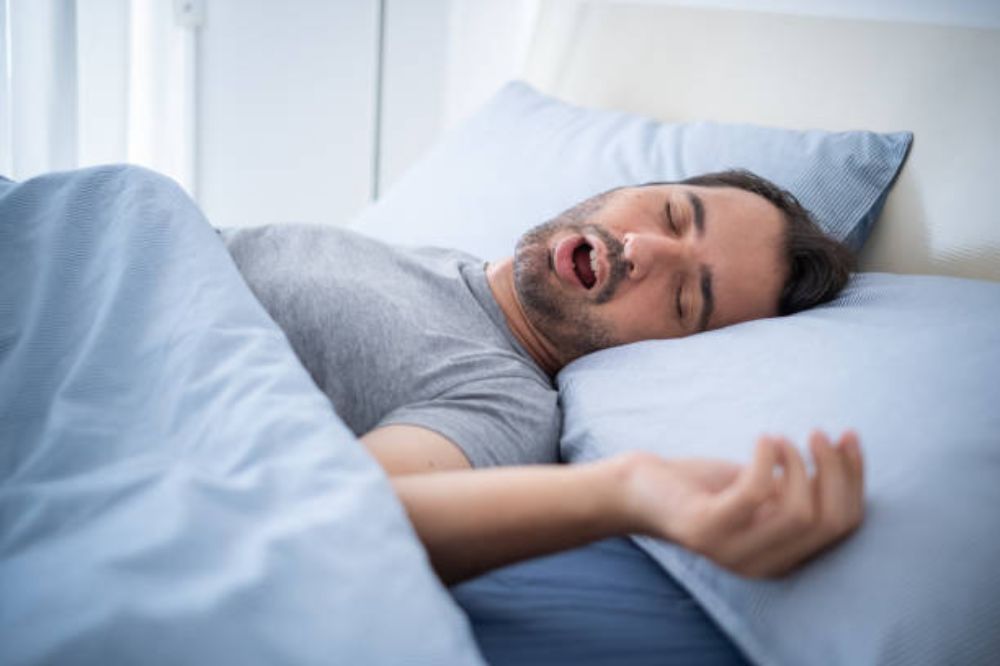
Every time you stop breathing, your brain “panics” and wakes you up just enough to take a gasp of air. This constant cycle sends stress hormones into your blood, which can hurt your heart and blood vessels over time.
- Heart Stress: Your heart has to work much harder to move oxygen around.
- Swelling: The constant stress can cause inflammation in your tissues.
- Sugar Levels: Not getting enough oxygen can change how your body handles sugar.
- Blood Pressure: Sudden drops in oxygen cause your blood pressure to jump up.
Why Is Medical Care So Important?
Ignoring bad sleep can lead to many other sicknesses. There are many health risks of leaving sleep apnea untreated, such as a higher chance of getting type 2 diabetes or having a stroke.
Because the body never gets into a deep, healing sleep, it loses its ability to fix cells and keep your immune system strong. This makes it easier for you to get sick and harder for your body to heal from small injuries.
How Does Oxygen Loss Change Your Day?
The most obvious sign of this problem is the huge impact of sleep apnea on daily health and energy levels while you are awake.
When your brain is forced to wake up dozens of times every hour, you never get the deep rest you need to think clearly. This leads to a “brain fog” that makes even easy chores feel very hard.
- Mood: It is easy to feel annoyed or sad when you are sleep-deprived.
- Headaches: Waking up with a dull throb in your head is common.
- Weight Gain: Bad sleep messes with the hormones that tell you when you are full.
- Memory: Your brain has a hard time remembering new things without rest.
Comparing Healthy Sleep vs. Apnea Sleep
| Feature | Healthy Restful Sleep | Sleep with Apnea |
| Airway | Open and clear | Blocked by tissue |
| Oxygen | Steady and normal | Drops many times |
| Heart Rate | Calm and steady | Jumps up during gasps |
| Sleep Quality | Deep and refreshing | Light and broken |
| Morning Feeling | Ready for the day | Tired and groggy |
Finding Help For Your Sleep Problems
If you wake up feeling like you didn’t sleep at all, it is time to talk to an expert.
Looking for a sleep apnea center near you is a smart move because specialists can run a sleep study to see exactly what is happening while you snooze. They use special tools to monitor your heart, brain, and oxygen levels.
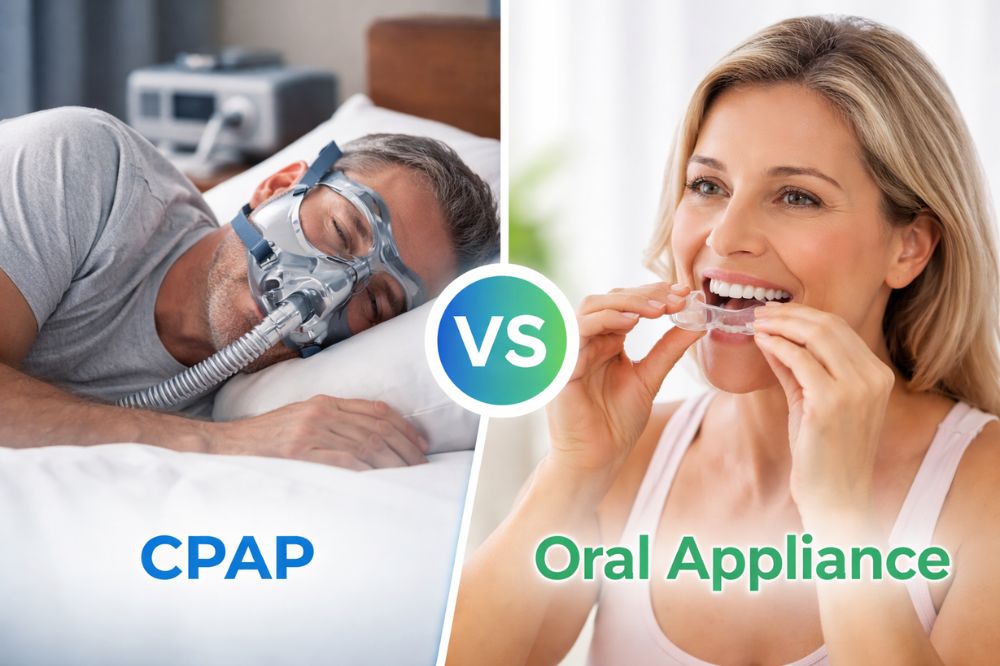
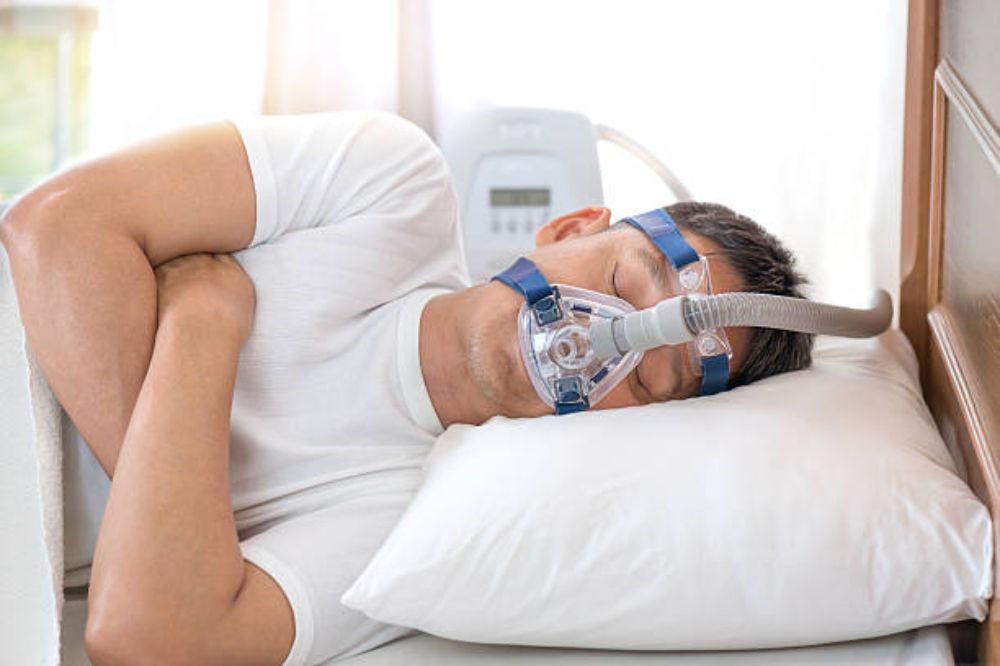
With this info, they can make a plan, like a special mouthguard or a small machine, to keep your airway open.
The Link Between Sleep And Your Mood
Sleep apnea doesn’t just hurt your heart; it also affects your happiness. Not getting enough sleep is closely tied to feeling depressed or anxious.
When the brain can’t do its nightly “cleaning,” toxins can build up and change how you feel.
Many patients find that once they start breathing better at night, their mood improves and they feel much less stressed during the day.
Staying Safe At Work And On The Road
One of the most dangerous parts of this condition is being too sleepy during the day. People with apnea are much more likely to have car accidents or get hurt at work.
You might even have “microsleeps,” where you nod off for just a few seconds without knowing it.
Getting treatment makes sure you stay awake and alert, which keeps you and everyone else safe.
A Clear Path To Feeling Better
Taking your sleep seriously is one of the best ways to care for your health. By making sure your body gets enough oxygen all night, you are protecting your heart and your brain. Good rest is the foundation of a long life, and it is never too late to start breathing better. You deserve to wake up feeling full of life.
At Sleep Apnea Center SD, the goal is to give you the care you need to get your energy back and stay healthy.
Want to see if a simple check-up could help you sleep better and feel like yourself again? Book an appointment today with Sleep Apnea Center SD.
Frequently Asked Questions
Can sleep apnea go away on its own?
Usually, no; it is a physical issue that needs help from a professional or a change in habits to fix.
What are the biggest signs I have sleep apnea?
Loud snoring, gasping in your sleep, and feeling like a zombie during the day are the main clues.
Does my weight matter for breathing?
Yes, extra weight around the neck can make the airway more likely to collapse at night.
Is a sleep study the only way to know?
A sleep study is the best way to count exactly how many times you stop breathing each night.