Getting a good night’s rest is one of the most important things you can do for your body.
However, many people wake up feeling exhausted even after a long sleep. This often happens because of a condition called sleep apnea, where your breathing stops and starts while you are sleeping.
If you think your rest is being cut short, visiting a sleep apnea center in San Diego can help you find out exactly what is happening. Catching the signs early stops bigger health problems later and helps you wake up feeling ready for your day.
Is Loud Snoring More Than Just A Noise?
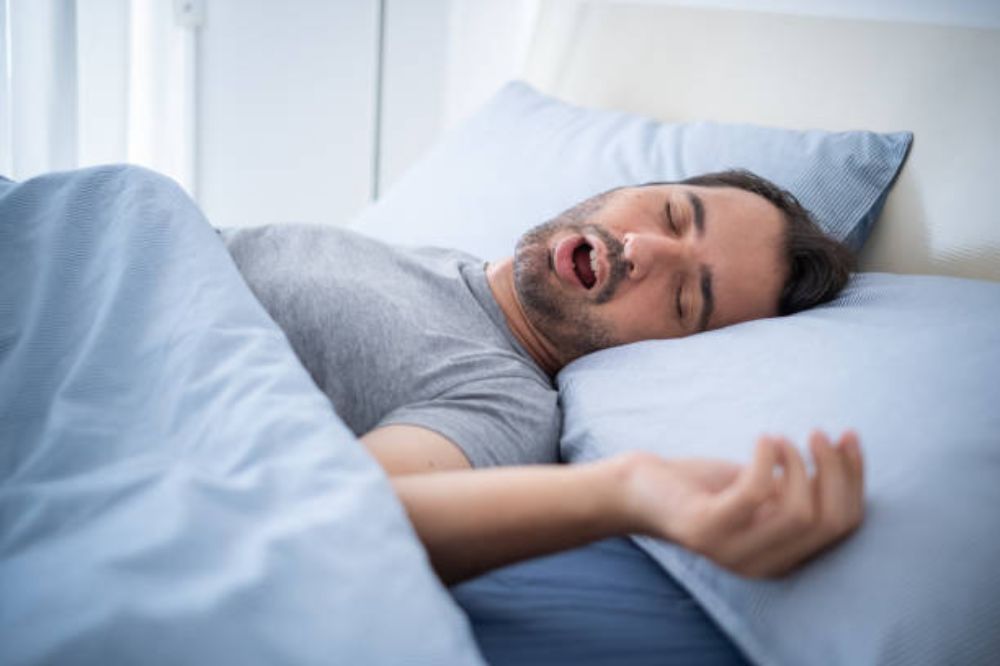
Many people think snoring is just a loud habit, but it is actually one of the mostcommon sleep apnea symptoms that people notice first.
When your throat is partly blocked, the air struggles to get through, making a loud shaking sound.
- Gasping for Air: You might wake up suddenly feeling like you are choking.
- Choking Sounds: A partner might hear you making a “snort” or a quiet pause in your breathing.
- Very Heavy Snoring: This sound is usually much louder than normal snoring and happens almost every night.
- Moving a Lot: You might toss and turn because your body is working hard to get enough oxygen.
Why Do You Feel Tired After A Full Night Of Sleep?
If you want to know how to recognize early signs of sleep apneaduring the day, look at how much energy you have.
Because your brain has to wake you up many times to take a breath, you never get into the deep, healing sleep you need.
- Morning Headaches: Waking up with a dull pain in your head is a sign of low oxygen during the night.
- Being Very Sleepy: Feeling like you could nap at your desk or while driving is a big warning sign.
- Dry Mouth: Waking up with a very dry or sore throat usually means you breathed through your mouth all night.
- Grumpiness: Not getting deep sleep makes it much harder to stay in a good mood.
Comparing Normal Sleep vs. Sleep Apnea
| Symptom | Normal Tiredness | Sleep Apnea Warning |
| Snoring | Quiet and only sometimes | Loud, every night, and gasping |
| Waking Up | Feeling grogy for 5 minutes | Feeling like you didn’t sleep at all |
| Brain Focus | A little slow today | Feeling “foggy” and forgetting things |
| Night Waking | Waking once to use the bathroom | Waking many times, often gasping |
| Daily Mood | Normal | Feeling very irritable or anxious |
How Does Sleep Apnea Affect Your Heart And Mood?
It is important to learn about the early sleep apnea symptoms you should not ignore because they can affect your whole body.
When you stop breathing, your heart has to work much harder to move blood.
Over time, this extra stress can lead to high blood pressure. Also, the constant lack of rest can make you feel sad or stressed out. Taking care of these signs early means you are protecting your heart and your mind at the same time.
Finding The Right Help For Better Rest
If these signs sound like you, looking for a sleep apnea center near you is the best next step.
A professional can use a simple test to see how often your breathing stops while you sleep. Modern tools are very quiet and small, making it easy to get the help you need.
Once you start a plan, most people feel a big jump in their energy in just a few days. You do not have to live with “brain fog” when there are experts ready to help you breathe easy again.
What Causes The Throat To Close?
Knowing why this happens helps you take care of your health. Most of the time, the muscles in the back of your throat relax too much while you sleep.
- Neck Size: Having a little extra weight around the neck can press on the airway when you lie down.
- Small Airway: Some people are just born with a smaller throat or a larger tongue.
- Getting Older: As we age, our muscles can get a bit softer and sag more easily at night.
- Alcohol: Drinking before bed can make the throat muscles relax way more than they should.
Simple Changes You Can Try At Home
While a dentist’s help is usually needed, there are small things you can do to help yourself breathe better.
- Sleep on Your Side: Gravity is less likely to pull your throat closed if you aren’t on your back.
- Use More Pillows: Propping your head up can help keep your airway open.
- Avoid “Night Caps”: Skipping alcohol in the evening keeps your muscles from getting too relaxed.
- Stay Active: Walking or moving more helps your lungs and helps you sleep more deeply.
A Clear Path to Better Energy
You deserve to wake up every morning feeling bright and happy. Taking the first step to fix your sleep is a great way to protect your health for the future.
Our team is here to listen to you and find the best fix for your needs. We believe that everyone should get the benefits of deep, restful sleep.
At Sleep Apnea Center SD, we are here to help our neighbors breathe better and live better lives every day.
Are you tired of feeling exhausted every morning? Contact Sleep Apnea Center SD today to schedule a visit and start your journey toward a better night’s rest!
Frequently Asked Questions
Can kids have sleep apnea?
Yes, kids can have it too, often because their tonsils are too big and block the air.
Does everyone who snores have a problem?
No, but loud snoring mixed with feeling very sleepy during the day is a big sign you should get checked.
Is it a lifelong thing?
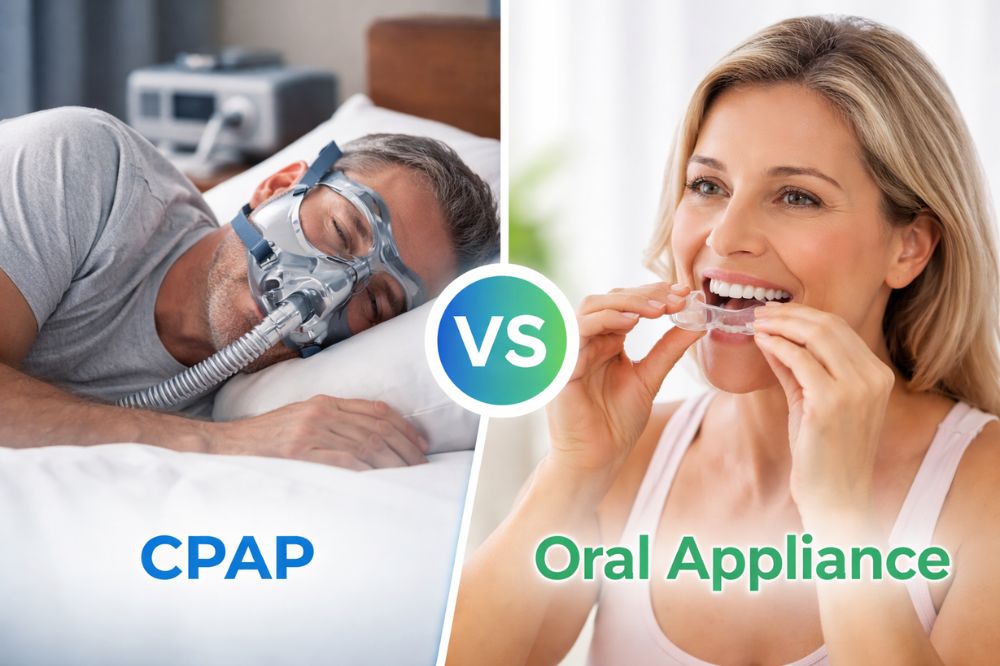
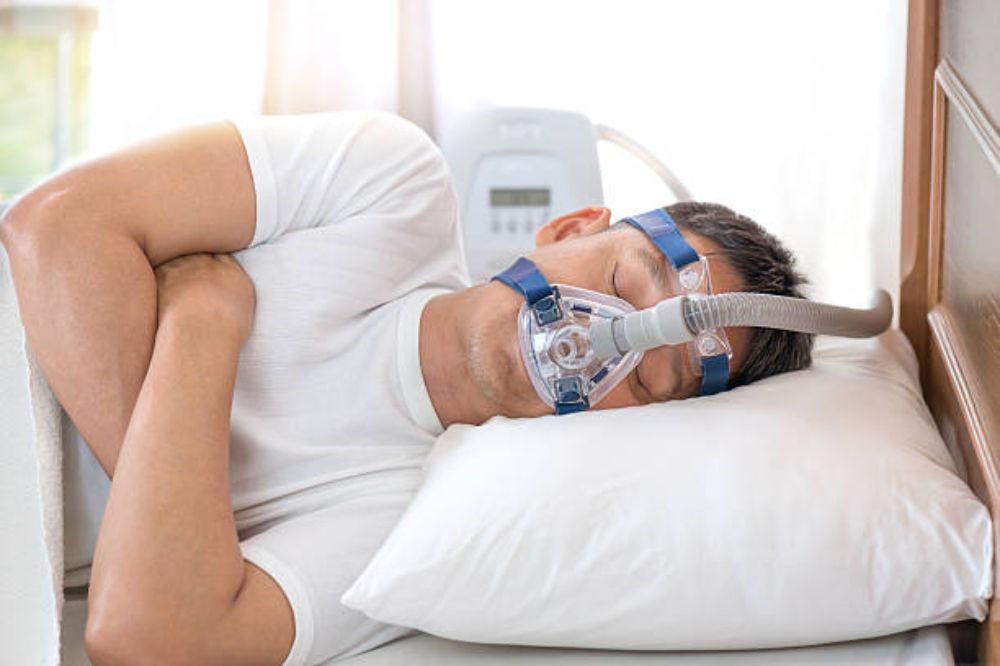
It can often be fixed with lifestyle changes, mouth devices, or small machines that help you breathe.
Will a mouth guard help?
Many people feel better with a special device that gently moves the jaw forward to keep the throat clear.