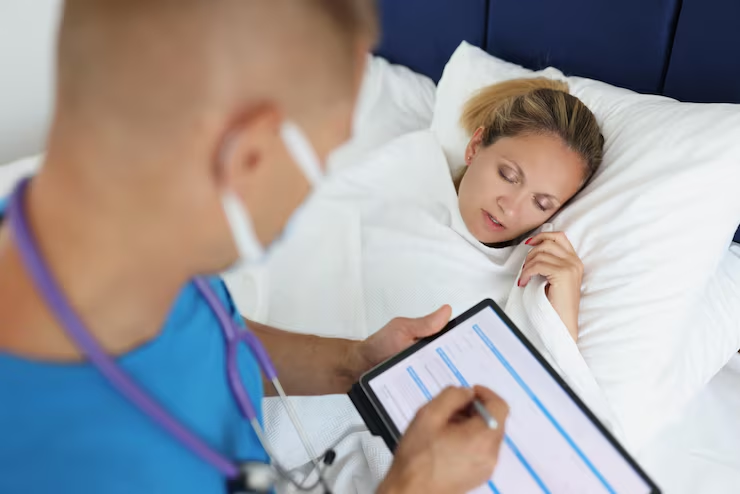
A sleep apnea test may be needed when breathing repeatedly stops or becomes very shallow during sleep. Sleep apnea testing in San Diego can help determine whether these breathing changes are occurring and how often they occur. Testing may be worth considering if loud snoring, gasping during sleep, morning headaches, or daytime tiredness are affecting daily life. It may also be recommended when there are risk factors for sleep apnea, such as excess weight, a narrow airway, or certain health conditions. Finding the right time to get tested can help identify the problem before ongoing poor sleep affects daily activities.
When Should You Consider Sleep Apnea Testing?
Testing may be helpful if symptoms happen often or if someone notices them while you sleep.
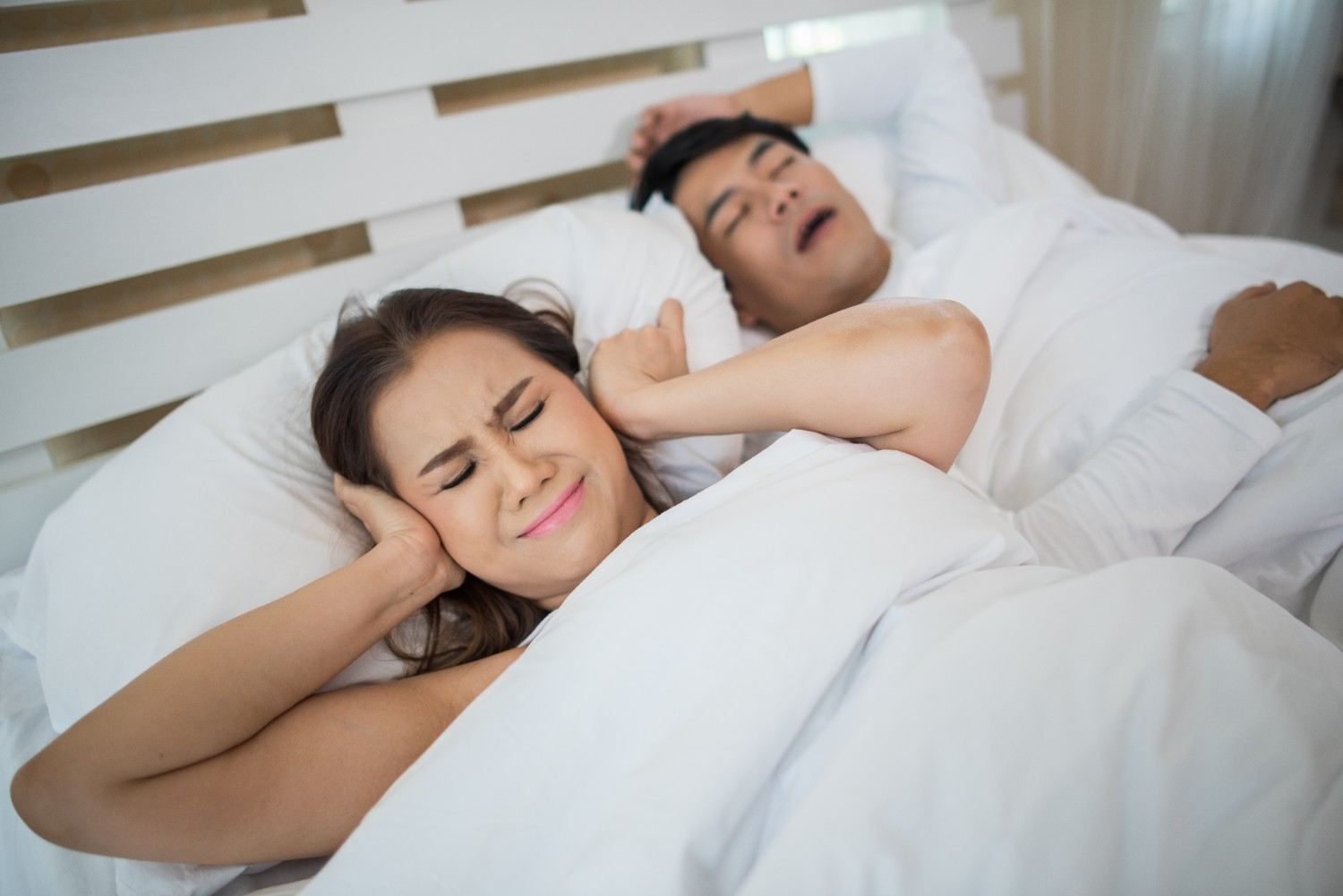
Common signs include:
- Loud or regular snoring
- Gasping, choking, or stopping breathing during sleep
- Waking up with a dry mouth
- Morning headaches
- Feeling very tired during the day
- Trouble staying focused or alert
- Waking often during the night
- Feeling unrefreshed after enough time in bed
These signs do not always mean sleep apnea is present. However, repeated symptoms can be a reason to discuss testing with a qualified healthcare professional.
What Can Increase the Need for Testing?
Certain factors can raise the chance of sleep apnea. A healthcare professional may suggest testing when symptoms occur along with one or more risk factors.
Factors that may increase risk include:
- Excess body weight
- A larger neck size
- Family history of sleep apnea
- Narrow airways or certain facial structures
- Older age
- Smoking
- Regular alcohol use
- Certain medical conditions
Having a risk factor does not mean sleep apnea is certain. A proper assessment is needed to understand whether testing is appropriate.
Can Sleep Apnea Be Prevented?
Not all cases of sleep apnea can be prevented. However, some healthy habits may help lower the risk and improve sleep.
Helpful steps include:
- Keeping a healthy weight when possible
- Staying active
- Avoiding smoking
- Limiting alcohol, especially before bed
- Keeping a regular sleep schedule
- Talking to a healthcare professional about ongoing snoring or changes in breathing
These steps do not replace proper testing. If breathing problems during sleep continue, talk to a healthcare professional about sleep apnea testing near you.
What Happens During Sleep Apnea Testing?
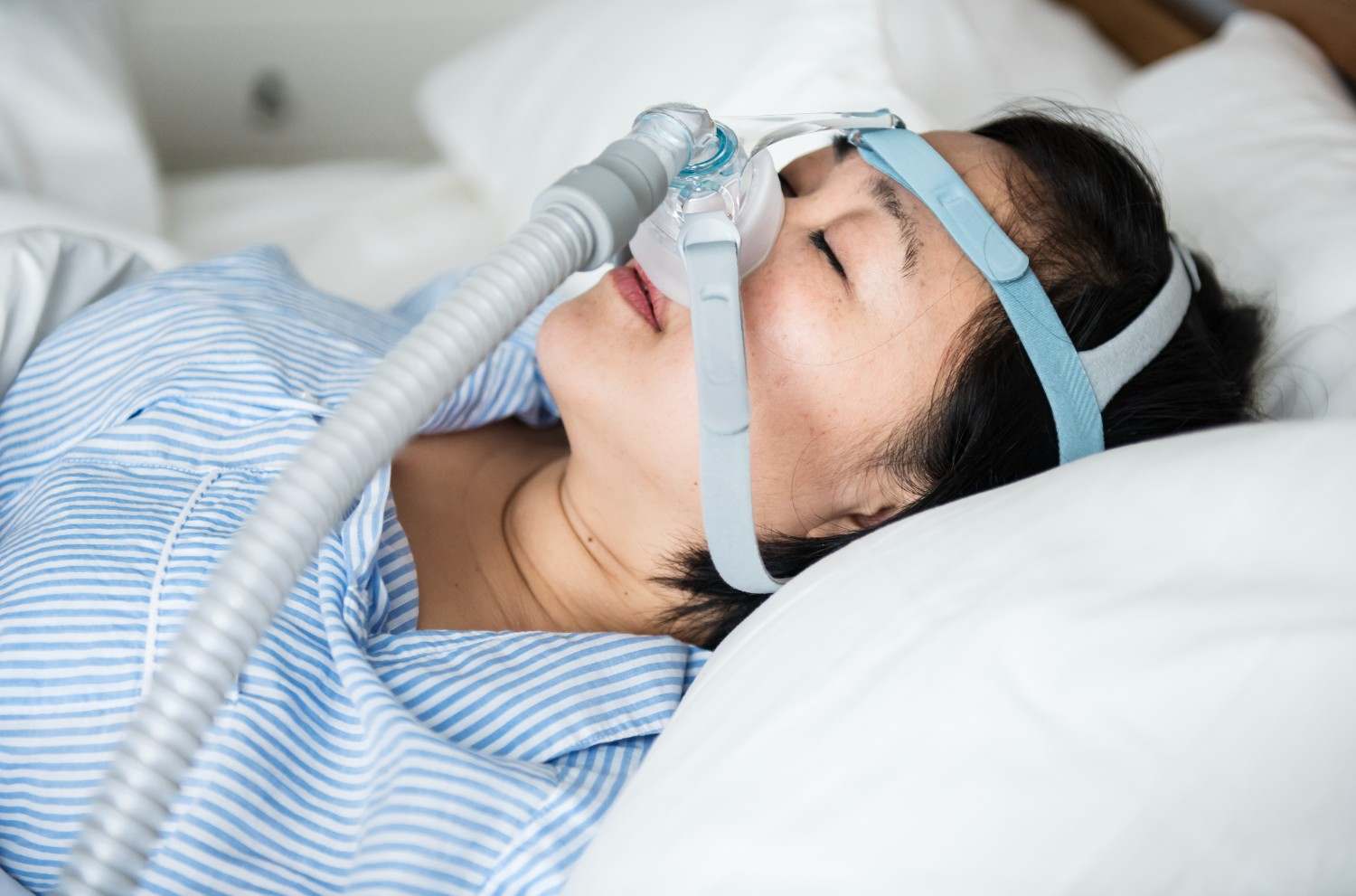
Sleep apnea testing in San Diego may involve an overnight sleep study. Depending on the situation, testing may take place at a sleep centre or through a home-based test.
During testing, different measurements may be used to check breathing and sleep-related changes. These may include:
- Breathing patterns
- Oxygen levels
- Heart rate
- Snoring
- Body movement
The results can help determine whether sleep apnea is present and how serious the breathing problem may be. Further evaluation may be needed if the results do not clearly explain the symptoms.
Where Can Sleep Apnea Testing Be Done?
Choosing a sleep apnea center in San Diego can provide access to assessments and testing tailored to individual symptoms and risk factors. The type of test depends on the concerns being evaluated and the healthcare professional’s recommendation.
If symptoms are new, worsening, or affecting daytime alertness, waiting too long for an assessment may not be helpful. A sleep apnea center near you can be a starting point for discussing whether testing is appropriate.
Find Out What May Be Affecting Your Sleep!
If loud snoring, interrupted breathing, nighttime gasping, or ongoing daytime tiredness have become part of your routine, it may be worth finding out what is affecting your sleep. A proper evaluation can help identify potential sleep-related breathing concerns and determine whether further testing is appropriate.
Contact Sleep Apnea Center SD to discuss your symptoms, learn about your testing options, and book your appointment today.
FAQs
How do you know if you need a sleep apnea test?
Frequent loud snoring, breathing pauses, gasping during sleep, morning headaches, and daytime tiredness may be reasons to consider testing. A healthcare professional can help determine whether a sleep study is needed.
Can sleep apnea happen without loud snoring?
Yes. Sleep apnea can happen without loud snoring. Some people may have other signs, such as feeling tired during the day, gasping while asleep, or having morning headaches.
Can a home sleep apnea test detect the condition?
A home test may detect certain types of sleep apnea by measuring breathing and related changes during sleep. It may not be suitable for every person, so professional guidance can help determine the right testing option.
Is daytime tiredness enough reason to get tested?
Daytime tiredness can have many causes, so it does not automatically mean sleep apnea. When tiredness occurs with snoring, gasping, or pauses in breathing during sleep, testing may be worth discussing.