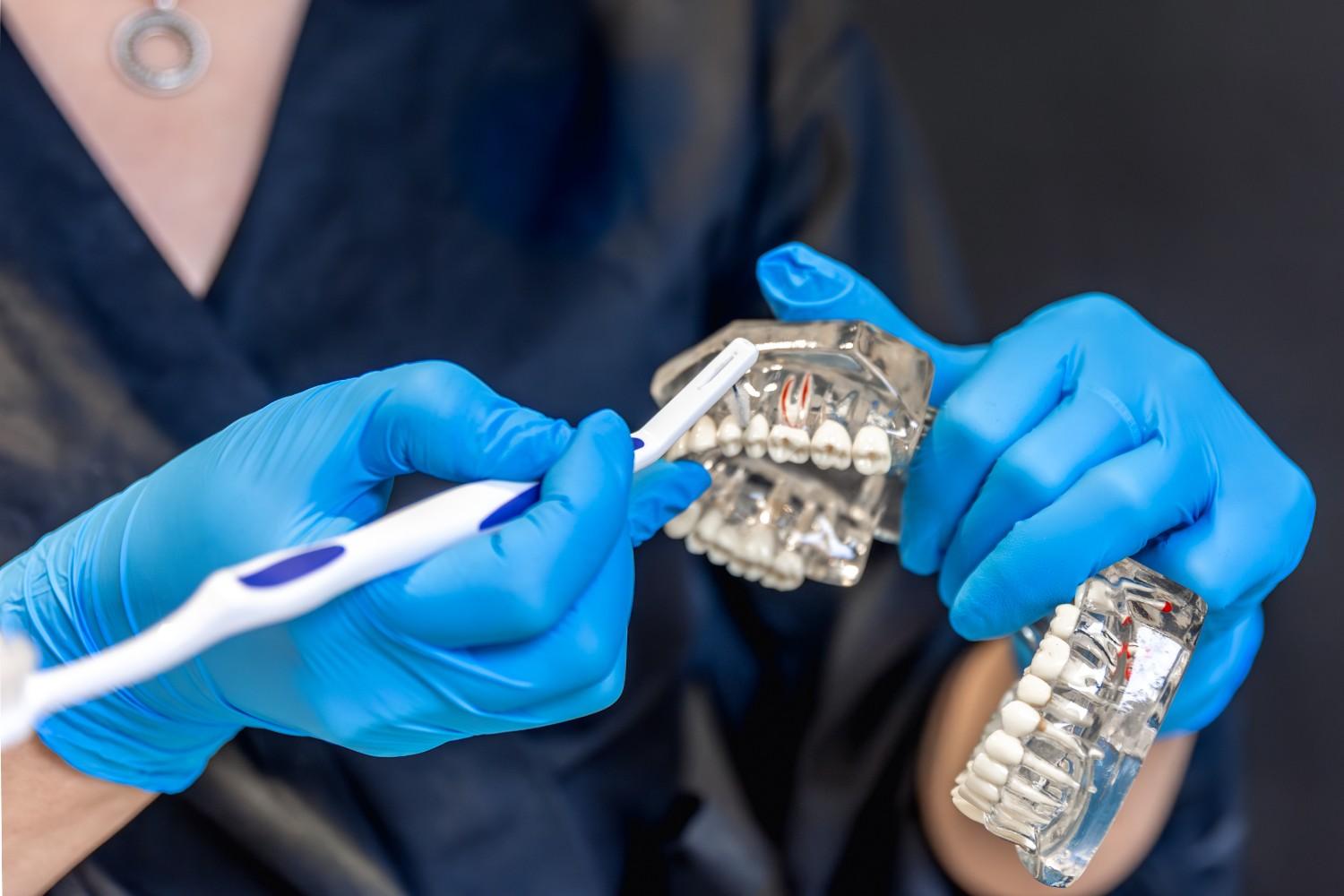
A small dental device worn during sleep can help keep the airway open and support better breathing. This approach, known as oral appliance therapy in San Diego, may be used to manage obstructive sleep apnea (OSA). The device gently holds the lower jaw or tongue in a position that may reduce airway blockage. It may be considered for some people with mild to moderate OSA or for those who have difficulty using CPAP.
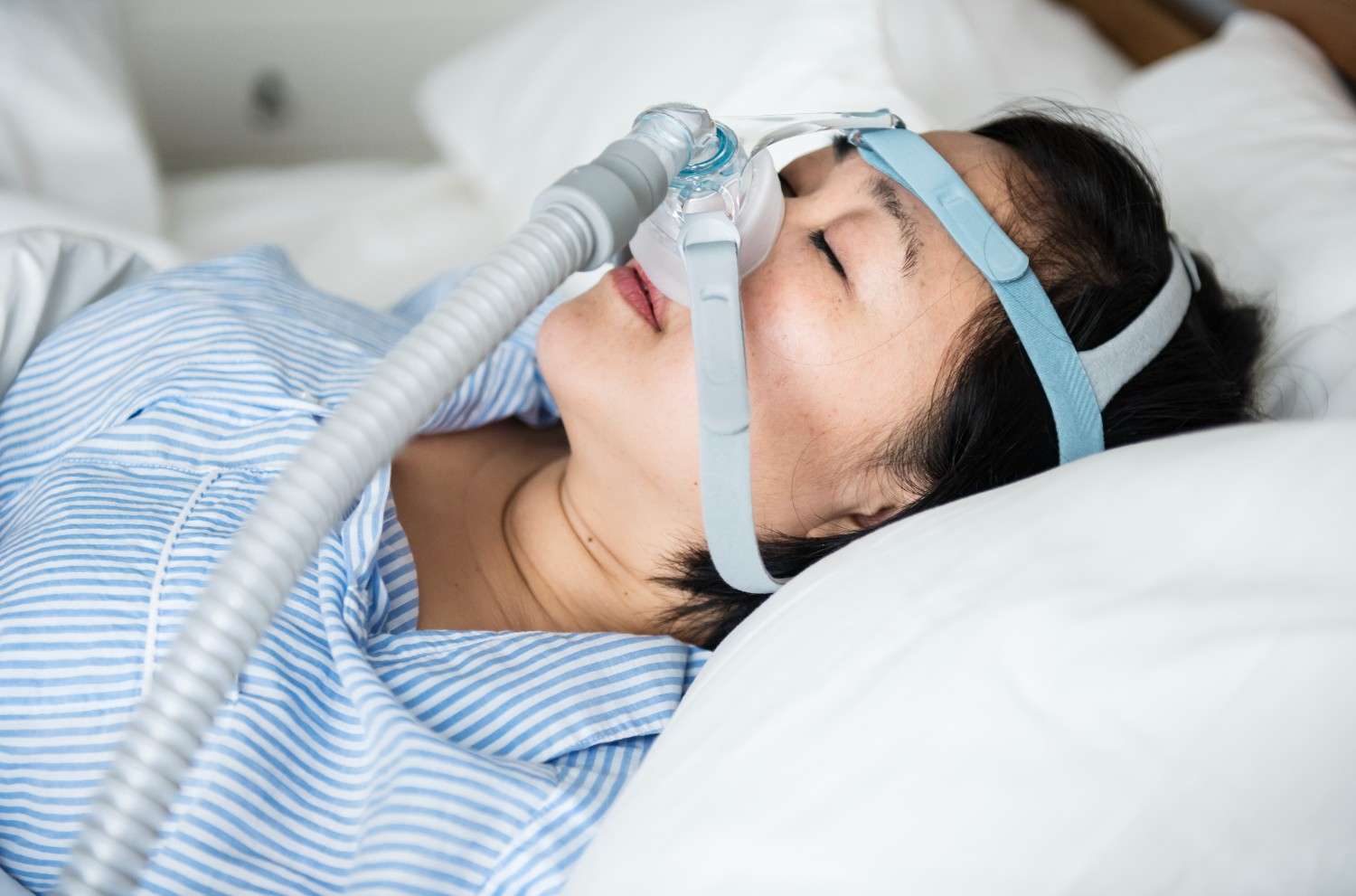
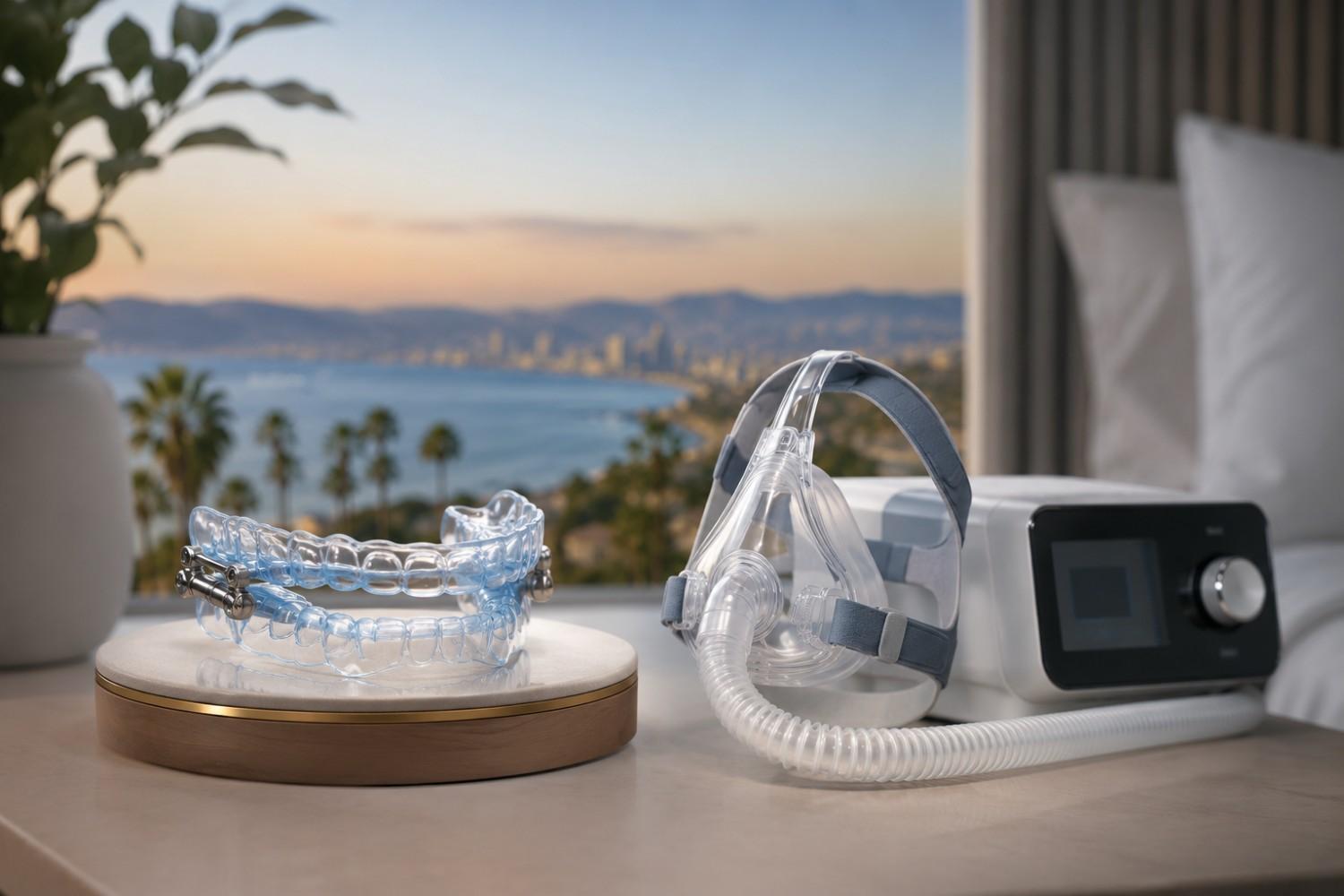
Unlike CPAP, an oral appliance does not need a mask, hose, or machine. It is a custom device that fits in your mouth and is worn while you sleep. The right treatment depends on your type of sleep apnea, dental health, and personal needs.
What Is Oral Appliance Therapy?
Oral appliance therapy uses a custom-made mouthpiece to help prevent airway obstruction during sleep. The most common type is called a mandibular advancement device. It gently holds the lower jaw forward, which can also help move the tongue forward and create more space for air to pass through the throat.
A tongue-stabilizing device is another option. It holds the tongue forward to help keep the airway open. The right device depends on your needs and dental health.
What Causes Airway Blockage During Sleep?
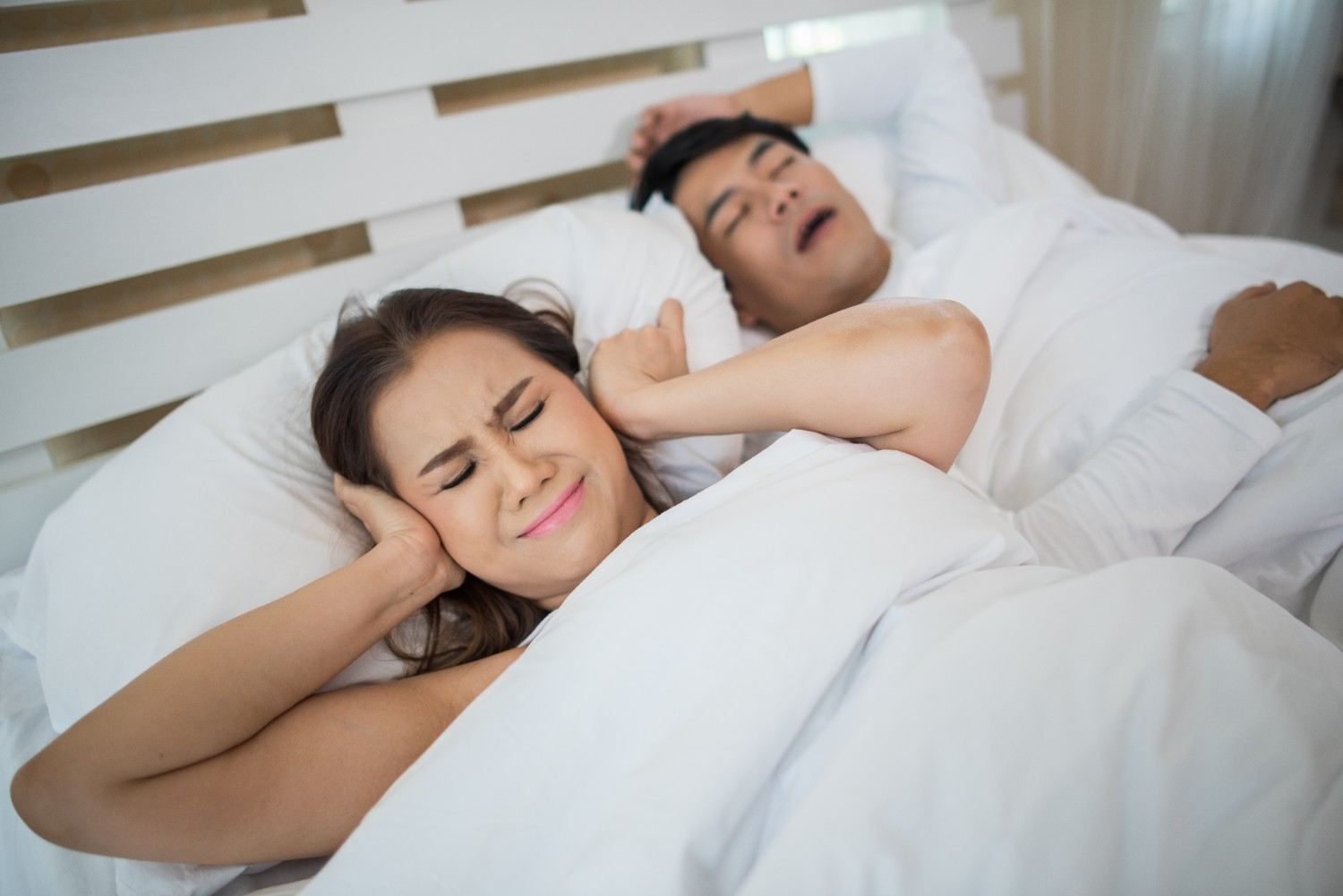
Obstructive sleep apnea occurs when the upper airway becomes partially or completely blocked during sleep. Relaxed throat tissues and the tongue can narrow the airway, making it harder for air to flow. This can cause breathing to stop and start many times during the night.
An oral appliance does not remove every cause of sleep apnea. Instead, it is designed to help maintain an open airway while worn.
How Does an Oral Appliance Work?
The appliance is placed in the mouth before going to sleep and removed in the morning. For a mandibular advancement device, the lower jaw is held slightly forward. This can help create more room behind the tongue and support airflow during sleep.
A typical treatment process may include:
- Reviewing the sleep apnea diagnosis and treatment needs
- Checking the teeth, gums, jaw, and bite
- Taking dental impressions or a digital scan
- Creating a custom appliance
- Adjusting the device for fit and comfort
- Monitoring how well the treatment is working
Follow-up may include another sleep test to check whether the appliance is helping control breathing interruptions.
Who May Benefit From Oral Appliance Therapy?
Oral appliance therapy near you may be considered when a healthcare provider has diagnosed obstructive sleep apnea and an oral appliance is appropriate. It is commonly considered for mild to moderate OSA and for some patients who cannot tolerate CPAP.
It may also be useful for people who need a portable treatment option for travel. However, an oral appliance is not suitable for every type or severity of sleep apnea. A proper evaluation is needed before treatment begins.
Can Oral Appliance Therapy Prevent Sleep Apnea?
An oral appliance does not prevent sleep apnea from developing. Instead, it helps manage airway blockage while the device is being worn. Treatment needs can also change over time, so regular follow-up is important.
If you are looking for a sleep apnea center near you, a qualified provider can review your diagnosis and determine whether an oral appliance is a suitable option.
What Are the Possible Benefits and Side Effects?
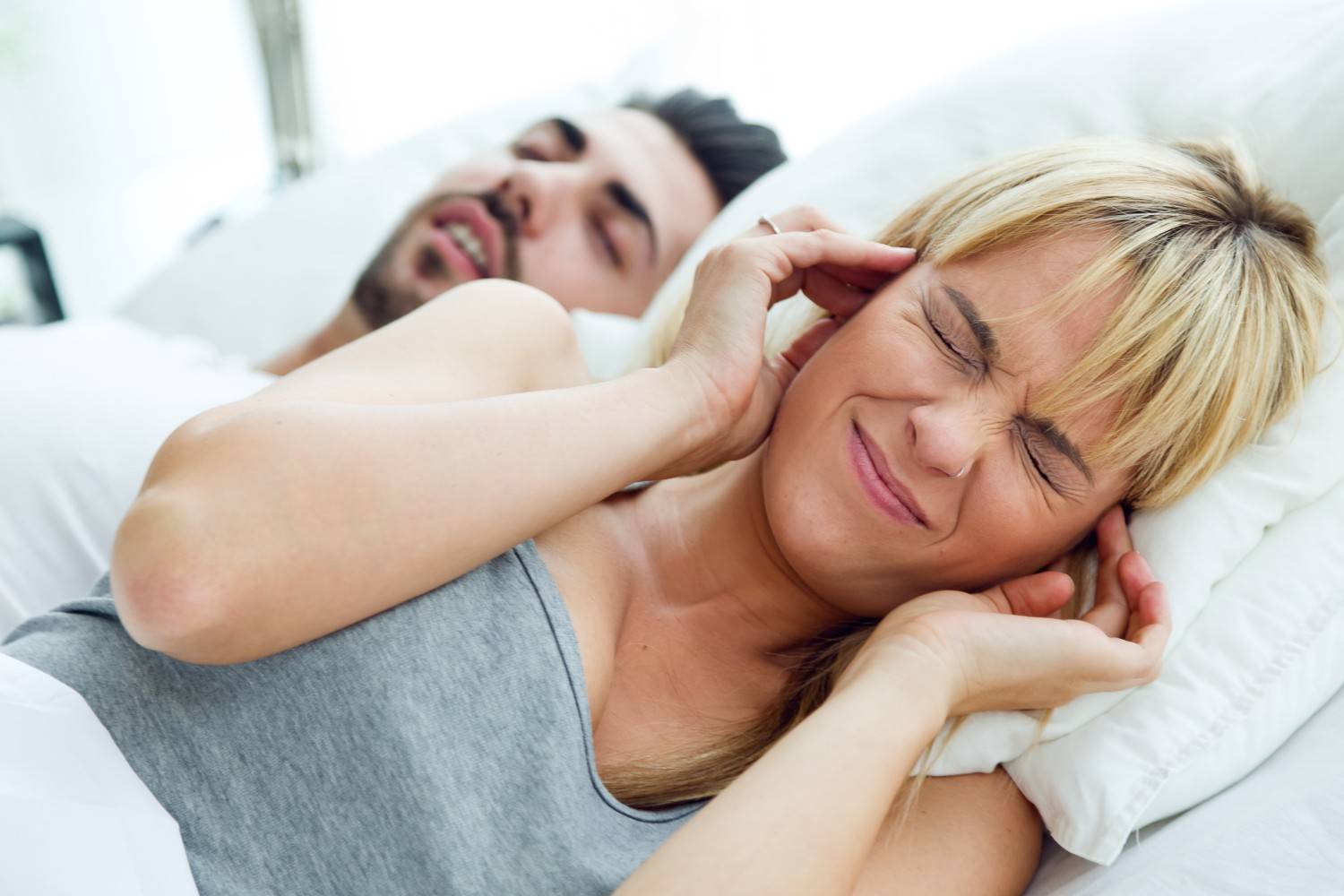
A properly fitted appliance may help reduce breathing interruptions, snoring, and certain symptoms of obstructive sleep apnea. It can also be easier for some patients to carry and use than a CPAP machine during travel.
Some people may experience jaw pain, dry mouth, excessive salivation, tooth pain, or gum irritation when they first use the device. In some cases, long-term changes, such as changes in the bite or tooth movement, may occur. Regular follow-up visits at Sleep Apnea Center in San Diego are important to check for these changes.
Find the Right Approach for Better Sleep!
Sleep apnea treatment can vary based on the type and severity of the condition, as well as your individual needs. Sleep Apnea Center SD offers custom oral appliance therapy for those who may benefit from an alternative to CPAP. If you are considering your treatment options or have questions about how an oral appliance works, book your appointment to discuss your needs and learn whether this approach may be appropriate for you.
FAQs
Is oral appliance therapy effective for sleep apnea?
Yes, it can help some people with obstructive sleep apnea. It is often used for mild to moderate sleep apnea or for people who have trouble using CPAP. Results can vary, so follow-up testing may be needed to see if the treatment is working.
How long does it take to get used to an oral appliance?
Adjustment varies from person to person. Some people need a few weeks to become comfortable wearing the device throughout the night.
Can an oral appliance replace CPAP?
Sometimes, but not for everyone. The appropriate treatment depends on the severity and type of sleep apnea, as well as individual circumstances. A sleep specialist and qualified dental provider can help determine whether an oral appliance is suitable.
Is oral appliance therapy used for snoring?
Yes. Oral appliances may be used to reduce snoring by helping maintain an open airway during sleep. However, snoring can have different causes, so an evaluation may be needed to determine the appropriate treatment.