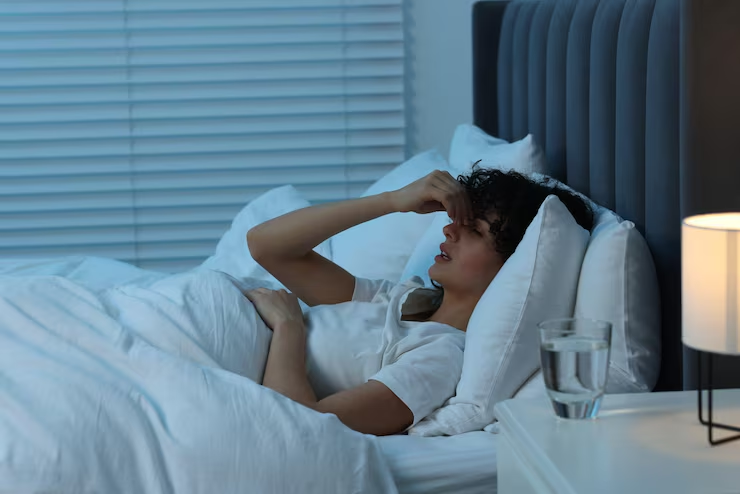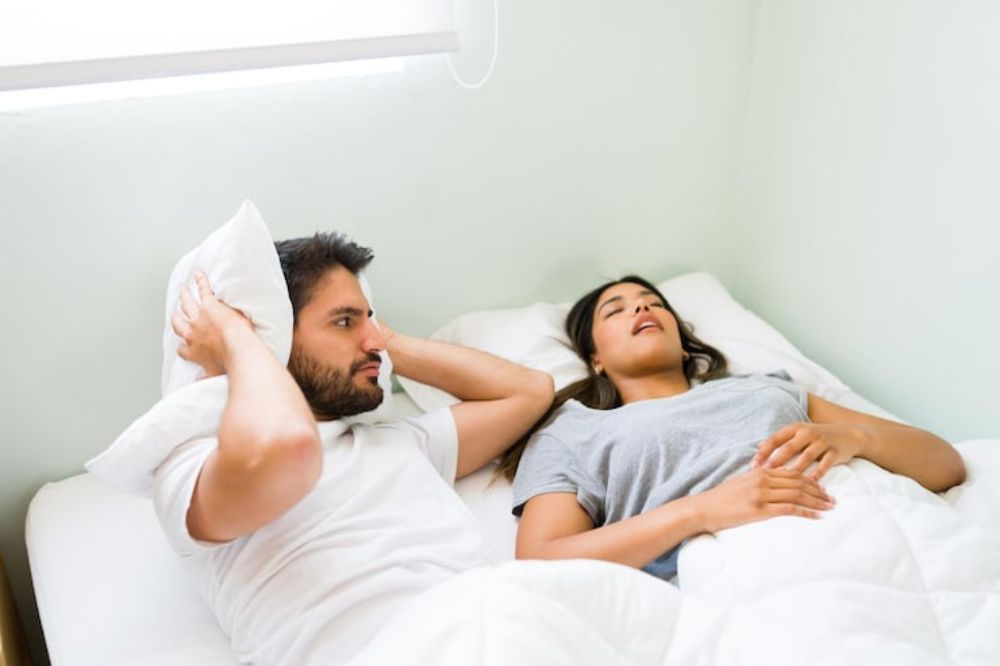
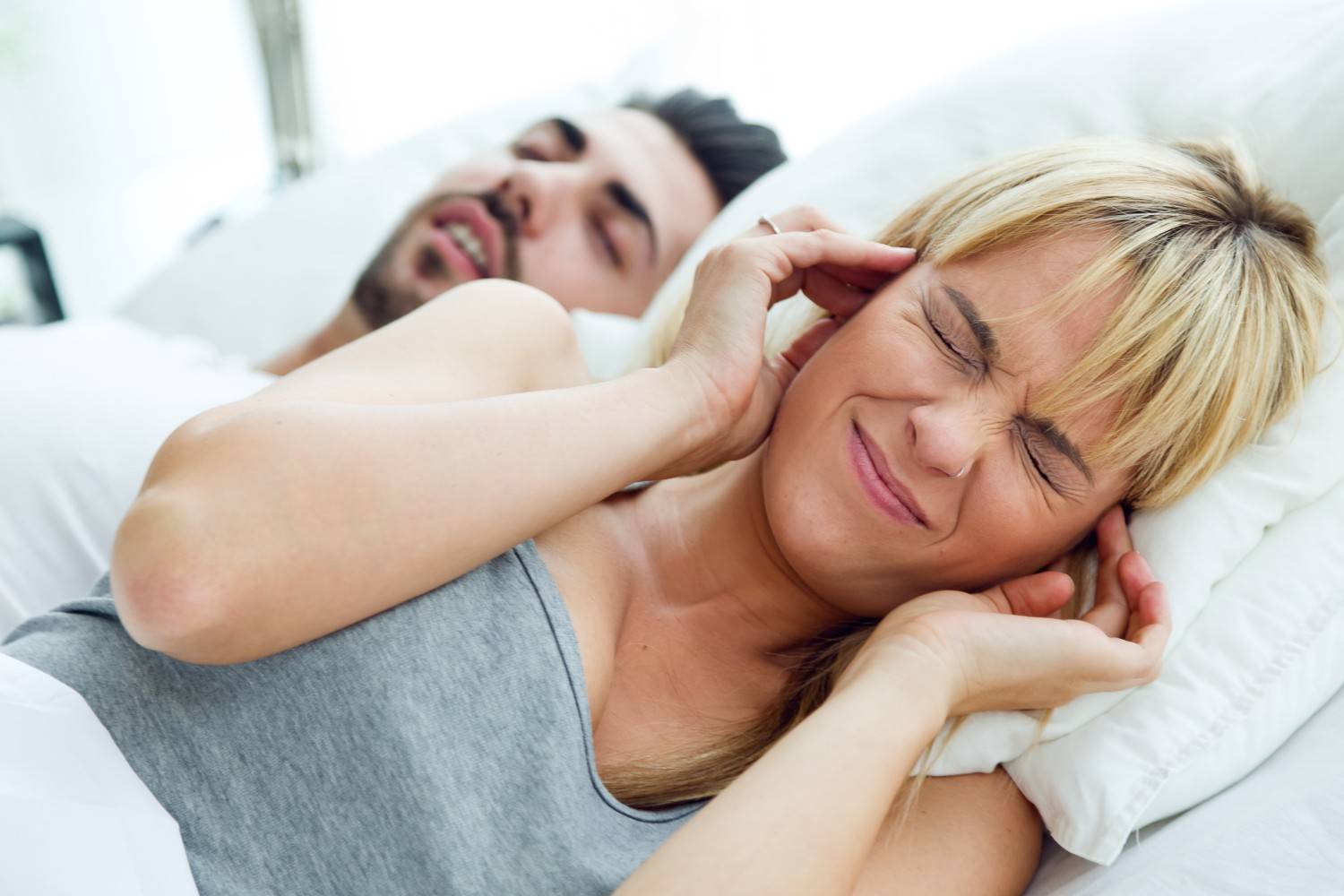
Many people struggle with symptoms of sleep apnea without realizing what is causing their problems. They wake up exhausted. They struggle to stay awake during the day. Their bed partner complains about their snoring. They have morning headaches that seem to have no obvious cause.
A sleep apnea screener in San Diego, California, can identify whether these symptoms indicate sleep apnea—a serious condition that affects millions of people but often goes undiagnosed. Early detection is crucial because untreated sleep apnea leads to heart disease, stroke, and other serious health complications.
Understanding what a sleep apnea screener does and why early identification matters helps you take control of your health before complications develop.
What Is Sleep Apnea?
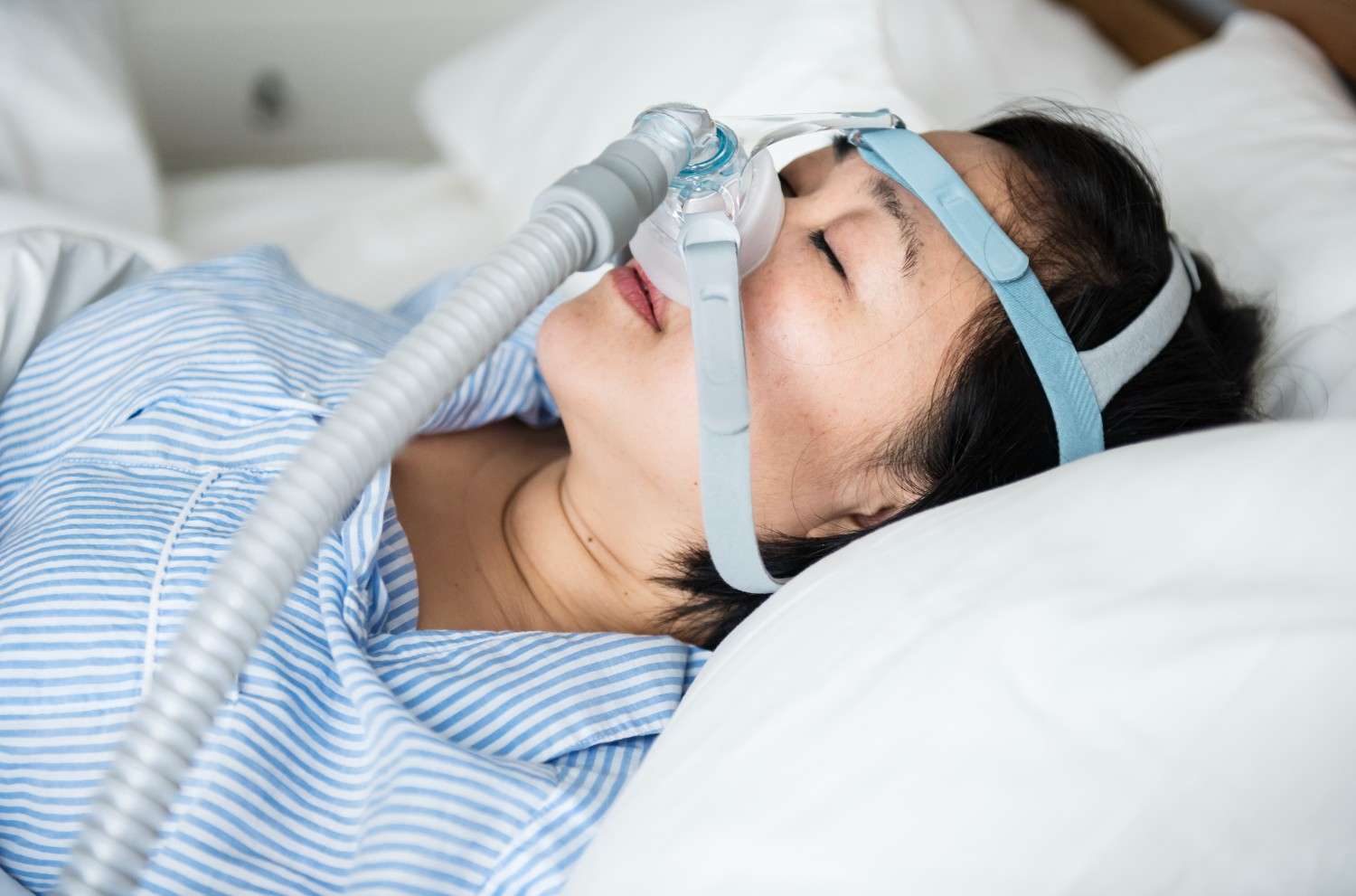
Sleep apnea is a sleep disorder where breathing repeatedly stops and starts during sleep. Each time breathing stops, your brain wakes you slightly so you can breathe again. These interruptions happen dozens or even hundreds of times each night—usually without your conscious awareness.
Most people do not realize they have sleep apnea because the breathing stops happen while they are asleep. They simply feel exhausted in the morning without understanding why.
The condition affects your entire body. Your brain does not get enough oxygen. Your heart works harder to pump oxygen-depleted blood. Over time, this stress contributes to heart disease, high blood pressure, and stroke.
Early identification allows treatment before serious complications develop.
What Does a Sleep Apnea Screener Do?
A sleep apnea screener is not a doctor—it is a specially trained professional who uses assessment tools to identify whether you have risk factors for sleep apnea.
The screener asks you detailed questions about:
- Your sleep quality — do you feel rested when you wake up?
- Daytime symptoms — do you feel excessively tired or fall asleep unexpectedly?
- Snoring — does your bed partner report that you snore or stop breathing during sleep?
- Risk factors — your age, weight, neck size, and other factors that increase sleep apnea risk.
- The screener may also perform simple measurements or quick screening tests that help identify risk without requiring a full sleep study.
Based on this assessment, the screener determines whether you should proceed to a formal sleep study or whether your risk is low.
Finding a sleep apnea center near you with experienced screeners ensures you get an accurate assessment.
Early Warning Signs Sleep Apnea Screeners Look For
Recognizing early warning signs means you can seek screening before serious complications develop.
Common signs include:
- Loud snoring — particularly snoring followed by silence, then gasping for breath.
- Waking up gasping for air or choking.
- Morning headaches that are difficult to explain.
- Excessive daytime sleepiness — falling asleep at inappropriate times.
- Difficulty concentrating or memory problems.
- Mood changes — irritability or depression.
- High blood pressure that is difficult to control.
- Observed pauses in breathing during sleep — reported by a bed partner.
- Waking up frequently during the night.
If you experience several of these symptoms, a sleep apnea screening in San Diego can help determine whether sleep apnea is responsible.
Why Early Detection Matters
Sleep apnea is progressive. If left untreated, it worsens over time. The breathing interruptions become more frequent and more severe.
- Early detection allows treatment to begin before your heart, brain, and other organs are damaged by repeated oxygen deprivation.
- People diagnosed and treated early experience:
- Immediate improvement in daytime sleepiness and energy.
- Reduced risk of heart attack and stroke.
- Better blood pressure control.
- Improved mood and cognitive function.
- Better quality of life and improved relationships.
A sleep apnea screening near you can identify the condition early—before serious health consequences develop.
The Screening Process
Screening for sleep apnea consists of:
- A thorough questionnaire about symptoms and risk factors.
- Your clinical history and current medicines will be discussed.
- Basic measurements such as height and neck circumference.
- Sometimes a quick at-home screening device measures oxygen levels and breathing patterns overnight.
- Based on screening results, your provider recommends whether a formal sleep study is needed.
A formal sleep study provides a definitive diagnosis and allows your doctor to determine the best treatment approach.
Take Control of Your Health — Sleep Apnea Center SD Is Here to Help
Sleep apnea is treatable — but only if you know you have it. Early screening and detection mean you can begin treatment before serious complications develop. Do not let exhaustion and poor sleep quality define your life.
At Sleep Apnea Center SD, experienced professionals are committed to identifying sleep apnea early and helping you access the treatment you need. Book your sleep apnea screening with us today and take the first step toward better sleep and better health.
Frequently Asked Questions
Q1: Who should be screened for sleep apnea?
Anyone experiencing symptoms like excessive daytime sleepiness, snoring, or morning headaches should be screened—additionally, people with risk factors like obesity, high blood pressure, or a family history of sleep apnea should consider screening at a sleep apnea center in San Diego even without obvious symptoms.
Q2: Is a sleep apnea screener the same as a sleep doctor?
No — a screener is a trained professional who assesses whether you have risk factors and need further evaluation, while a sleep doctor interprets sleep studies and recommends treatment based on test results.
Q3: How long does a sleep apnea screening take?
Most screenings take 30 to 60 minutes and involve questionnaires, discussion, and basic measurements—an actual sleep study takes much longer and occurs overnight.
Q4: Can sleep apnea screening be done at home?
Some quick screening devices can be used at home to measure oxygen levels and breathing patterns, though a formal diagnosis requires an overnight sleep study either at a sleep centre or at home with approved equipment.
Q5: What happens after I am screened for sleep apnea?
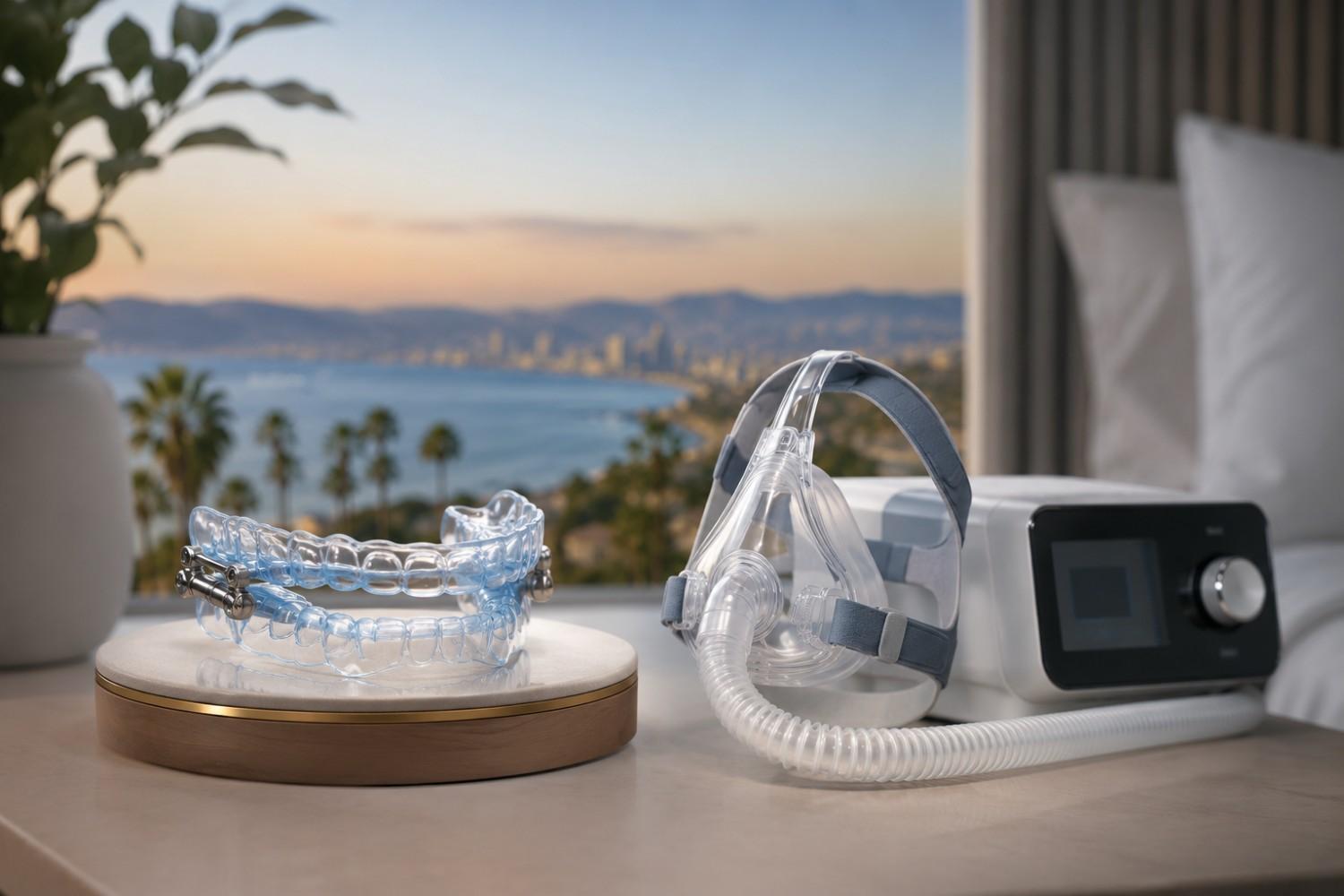
If screening suggests you may have sleep apnea, you will be referred for a formal sleep study—if the study confirms sleep apnea, your doctor will discuss treatment options like CPAP therapy or other approaches based on severity.