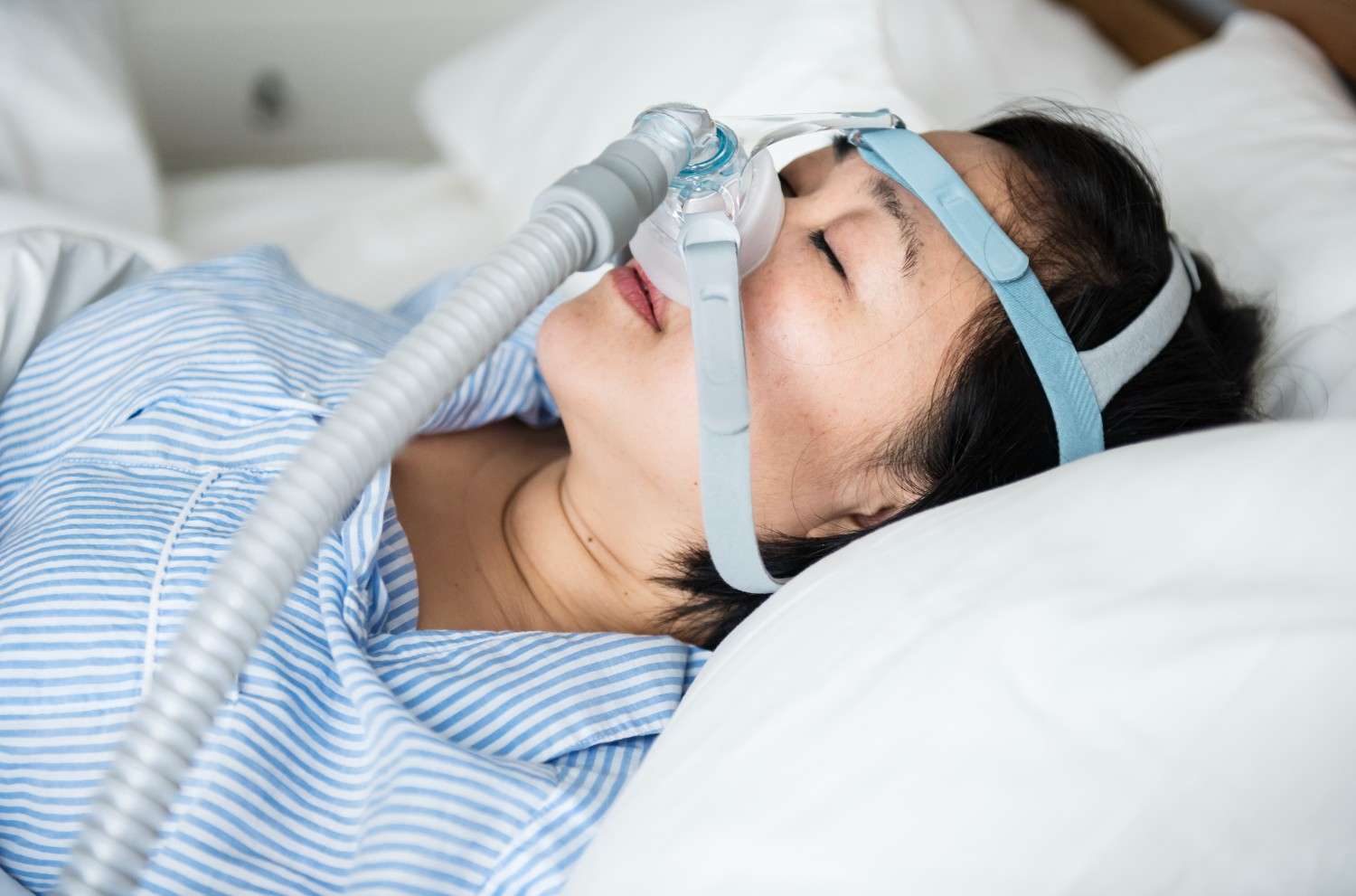
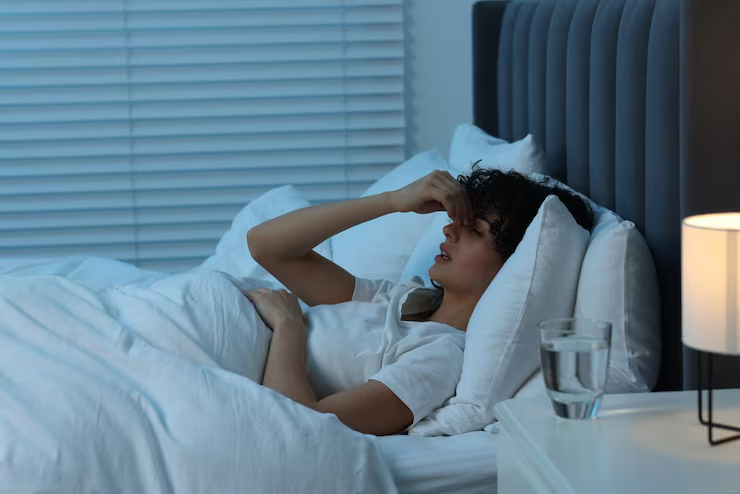
Sleep apnea is a common sleep disorder that affects breathing while you sleep. A sleep apnea treatment in san diego can help identify sleep habits and health conditions that may be making symptoms worse.
Alcohol, sleeping pills, and certain lifestyle habits can all affect breathing during sleep. These factors can relax the muscles in the throat and increase airway blockage. If you are searching for a Sleep Apnea Center Near you, you may prefer care that feels simple, supportive, and easy to understand.
Understanding Sleep Apnea
Sleep apnea is a sleep disorder where breathing becomes blocked during sleep. Obstructive sleep apnea is the most common type and usually happens when the throat muscles relax too much while sleeping.
Some common symptoms include:
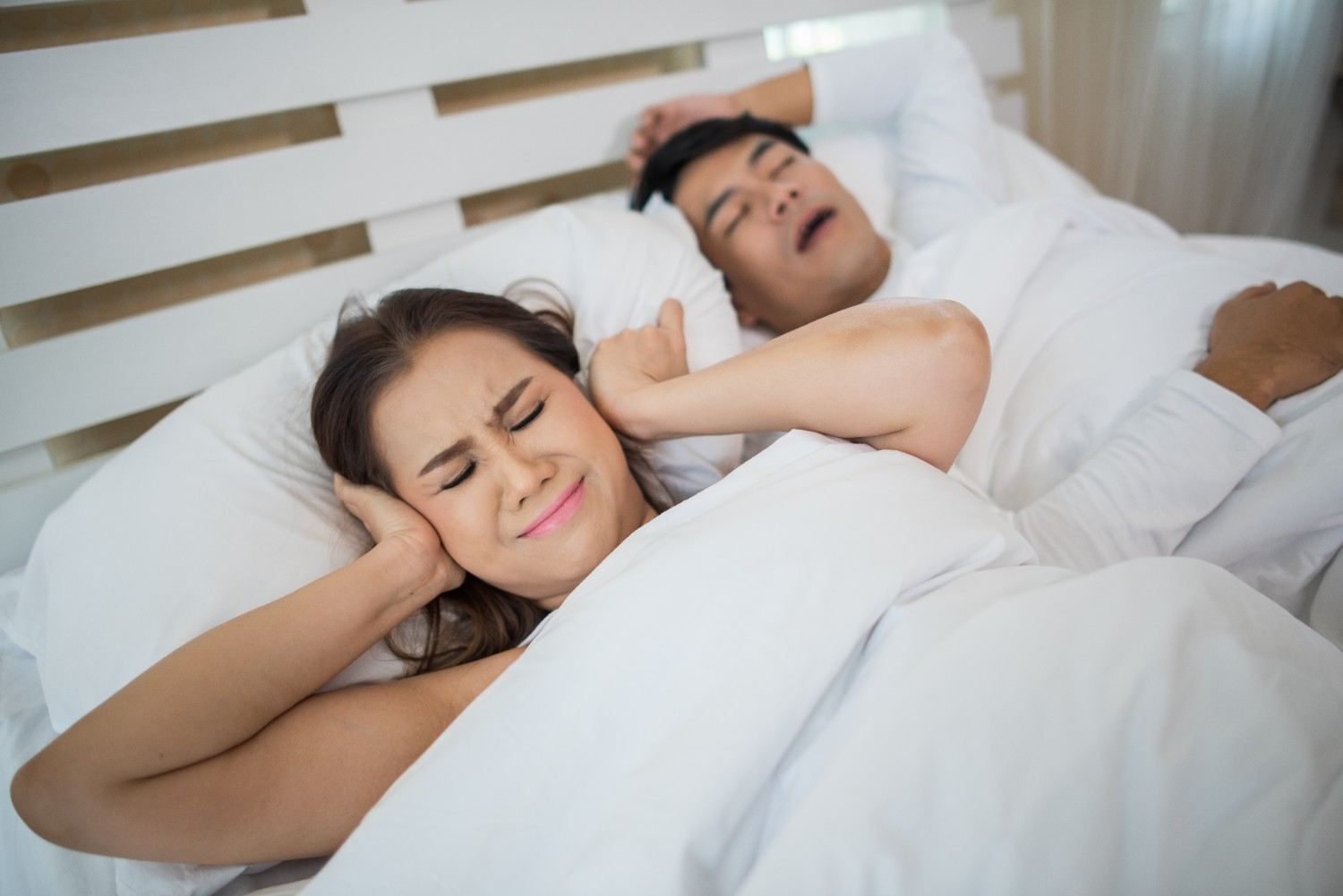
- Loud snoring
- Gasping for air during sleep
- Feeling tired during the day
- Morning headaches
- Trouble concentrating
- Poor sleep quality
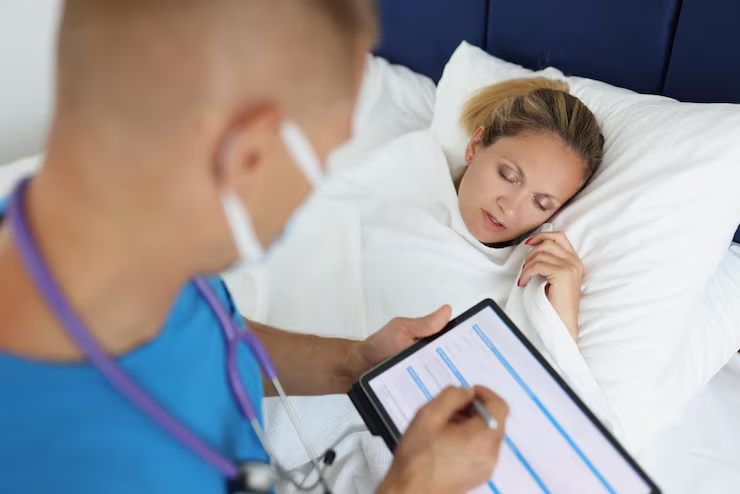
Many people do not realize they have sleep apnea because symptoms happen while they are asleep. Sleep studies and professional evaluations help diagnose the condition and guide proper treatment.
Common Causes Of Sleep Apnea Beyond Obesity
Common causes of sleep apnea beyond obesity can include several health and lifestyle factors. Some people develop sleep apnea even if they are not overweight.
Other possible causes include:
- Drinking alcohol before going to bed
- Using sleeping medications
- Smoking
- Nasal blockage
- Family history
- Large tonsils or airway problems
- Sleeping on the back
These factors can increase airway blockage and make breathing harder during sleep. Understanding these risks can help patients improve their sleep habits and overall sleep quality.
Does Alcohol Worsen Sleep Apnea Symptoms?
Alcohol can relax the muscles in the throat and airway, which can increase breathing pauses during sleep.
Alcohol can also:
- Increase snoring
- Lower sleep quality
- Cause interrupted sleep
- Reduce oxygen levels during sleep
- Increases daytime tiredness
Drinking alcohol at bedtime can make sleep apnea symptoms more severe. Some people notice worse snoring and poorer sleep after drinking alcohol at night.
Can Sleep Medications Make Sleep Apnea Worse?
Some sleeping medications can relax the airway muscles and slow breathing during sleep, which can make nighttime breathing problems feel more severe.
Possible effects include:
- More breathing pauses during sleep
- Increased snoring
- Lower oxygen levels
- More daytime tiredness
- Trouble staying asleep
Patients should speak with a medical professional before using sleep aids regularly, especially if sleep apnea symptoms are already affecting sleep and breathing.
Other Lifestyle Habits That Affect Sleep Apnea
Certain daily habits can also affect sleep quality and breathing during the night. Small lifestyle changes can sometimes help reduce symptoms and improve sleep comfort.
Helpful habits include:
- Sleeping on your side
- Maintaining a healthy weight
- Avoiding alcohol before bed
- Following a regular sleep schedule
- Avoiding smoking
Managing these habits can help support better sleep and improve breathing at night. Healthy routines can also help improve daytime energy and overall comfort.
Treatment Options For Sleep Apnea
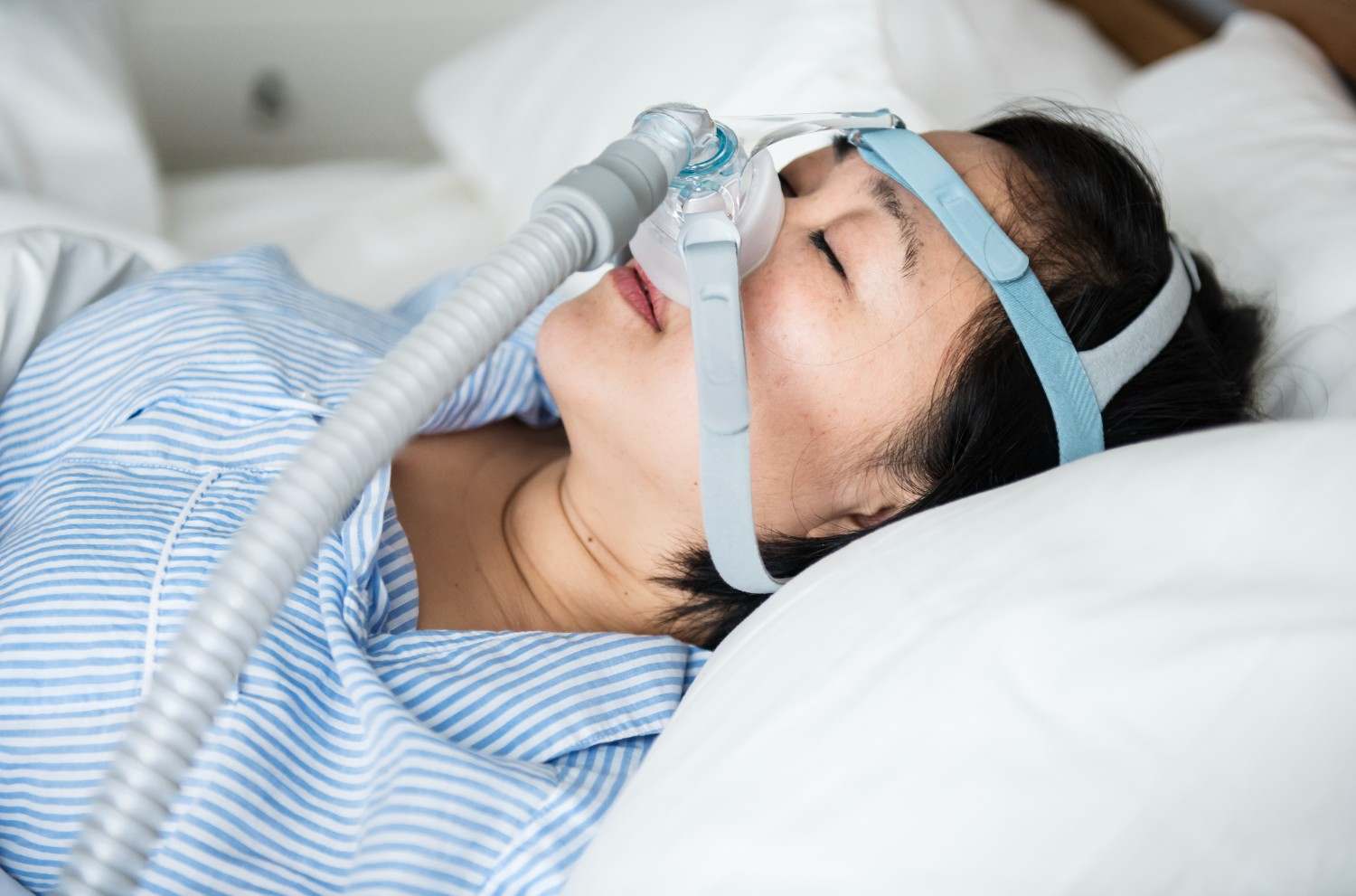
Sleep apnea treatment depends on the severity of the condition and the patient’s needs. Some patients use CPAP therapy, while others look for different treatment options.
CPAP Alternatives in SAN Diego may include:
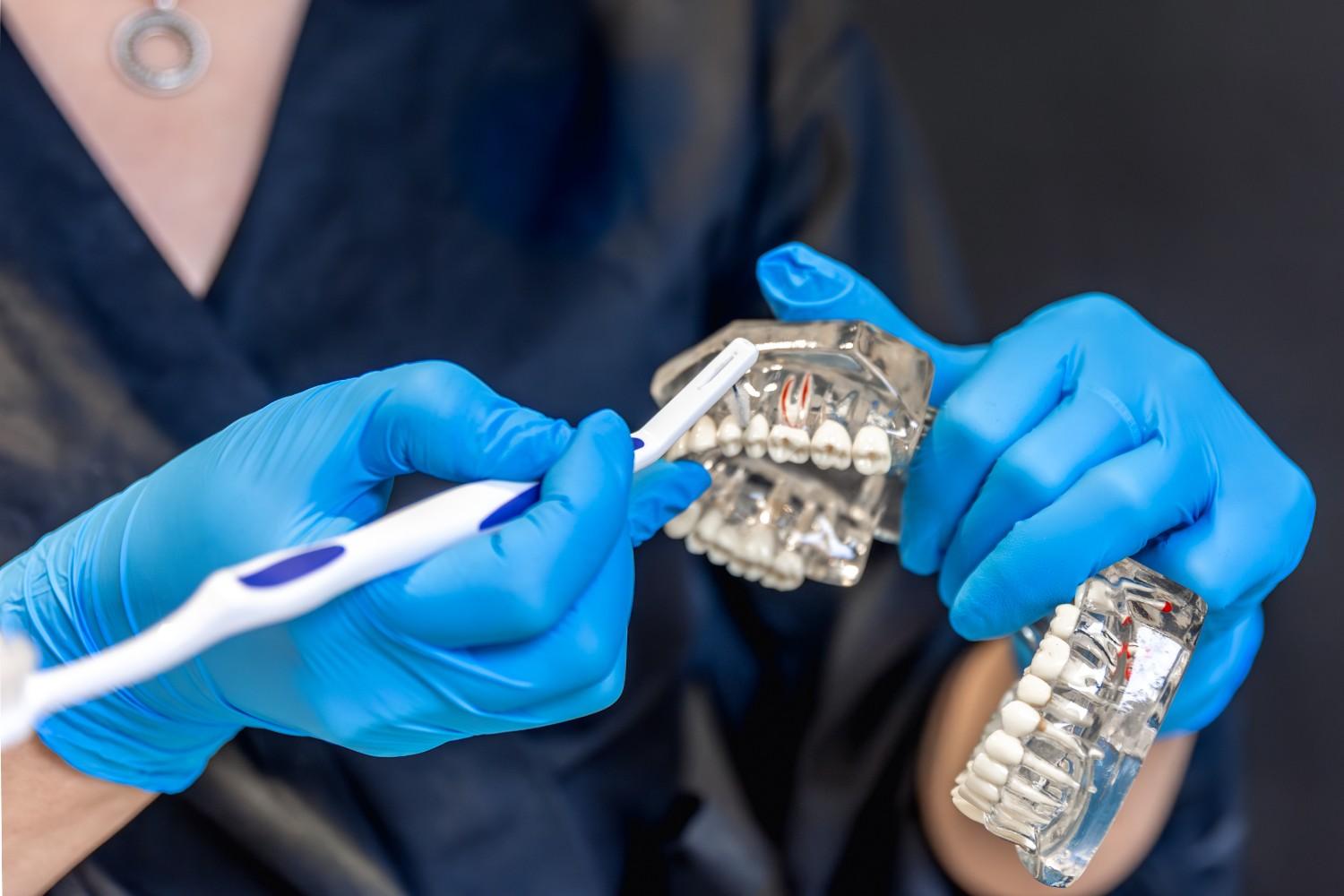
- Oral appliance therapy
- Lifestyle changes
- Positional therapy
- Airway evaluations
A sleep specialist can explain which treatment may work best based on your symptoms and sleep study results. Proper treatment can also help improve breathing and sleep quality over time.
Support For Better Sleep And Breathing
Sleep apnea symptoms can become worse when hidden risk factors are ignored. Alcohol, sleep aids, and certain habits can all affect breathing during sleep and lower sleep quality. Sleep Apnea Center provides sleep apnea evaluations and treatment in a supportive and comfortable setting. Contact our team today to schedule your consultation.
Frequently Asked Questions
Can alcohol make sleep apnea worse?
Yes. Alcohol can relax the airway muscles and increase breathing problems during sleep.
Are sleeping pills safe for people with sleep apnea?
Some sleeping medications can worsen sleep apnea symptoms. Patients should speak with a medical professional before using sleep aids regularly.
What are common signs of sleep apnea?
Common signs of sleep apnea include loud snoring, gasping during sleep, daytime tiredness, and poor sleep quality.
Are there alternatives to CPAP therapy?
Some patients can benefit from oral appliances, positional therapy, or other treatment options depending on their condition.