Snoring is often treated as a harmless habit or something funny, but it can actually be a loud warning sign for your health. For many, that nightly noise is the first signal that your airway is struggling to stay open.
Visiting a sleep apnea center in San Diego is a smart way to find out if your snoring is just a nuisance or a symptom of something more serious. When your breathing stops and starts, your body and brain miss out on the deep rest they need.
By looking into the cause of these sounds, you can improve your energy, protect your heart, and finally get the quiet sleep you deserve.
How Does Snoring Start In Your Throat?
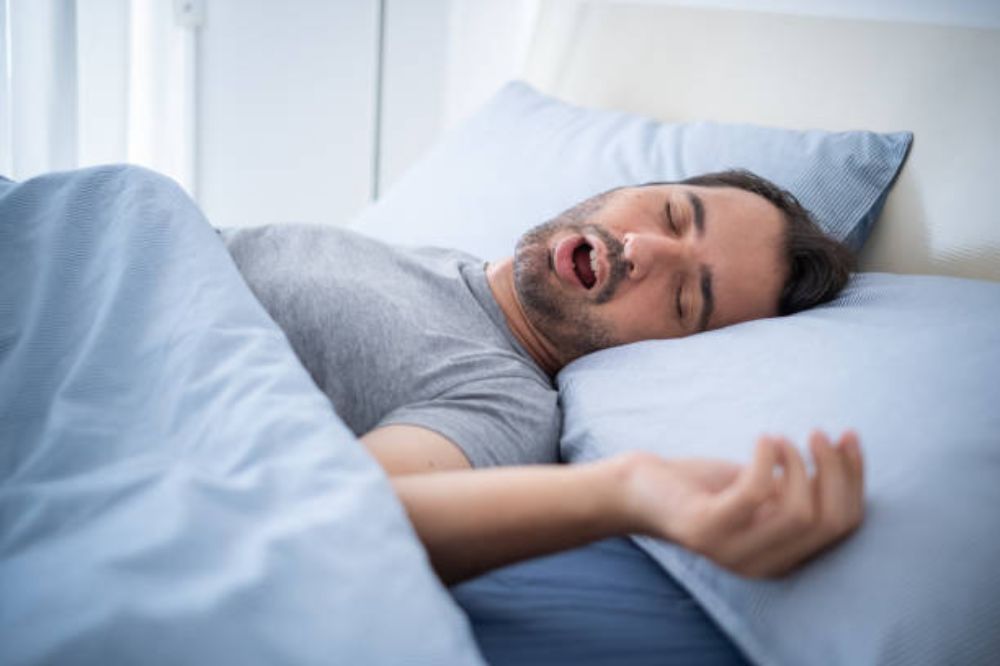
Snoring happens when air cannot flow easily through your nose or mouth. When you sleep, the muscles in your throat relax.
If the path is too narrow, the skin and tissue vibrate as you breathe, which makes the noise.
However, there is a very strong link between snoring and sleep apnea that you should know about.
While snoring is just the sound of shaking tissue, apnea is when you actually stop breathing for a few seconds.
- Shaking Tissue: The soft parts at the back of your throat hit each other, making the snoring sound.
- Narrow Path: A small jaw or large tonsils can make the airway much tighter.
- Relaxed Muscles: As you fall into a deep sleep, your throat muscles go limp, which can cause the path to close.
- Fast Air: When air is forced through a tiny gap, it moves faster and makes more noise.
Is A Loud Snore Always A Bad Sign?
Many people ask if snoring is always a sign of sleep apnea or if it can happen on its own. The truth is that not everyone who snores has a breathing problem, but almost everyone with the problem snores.
If your snoring is steady and rhythmic, it might be normal snoring. But if the snoring stops suddenly and is followed by a gasp or a snort, it is a big warning sign.
This pattern shows that your brain is forcing you to wake up just enough to take a breath, which ruins your sleep even if you don’t remember waking up.
The Difference Between Normal Snoring And Apnea
| Feature | Normal Snoring | Sleep Apnea (OSA) |
|---|---|---|
| Sound Pattern | Steady and rhythmic | Interrupted by silence and gasping sounds |
| Daytime Energy | Usually normal | Often tired, fatigued, or very sleepy |
| Morning Feeling | Feels normal | Headaches or very dry mouth |
| Breathing Stops | No | Yes, multiple times per hour |
| Blood Pressure | Typically normal | Often high or difficult to control |
Why Do Breathing Problems At Night Matter?
It is important to fix breathing problems during sleep and snoring because the long-term effects on your body are serious.
Every time you stop breathing, your blood oxygen levels drop, which puts a lot of stress on your heart.
- Heart Stress: Your heart has to work much harder to move blood when oxygen is low.
- Brain Fog: Missing out on deep sleep makes it hard to focus or remember things the next day.
- Grumpy Mood: Not getting enough rest often makes people feel cranky or sad.
- Safety Risks: Being sleepy while driving is a major cause of accidents on the road.
Getting Help From An Expert Nearby
If you are worried about your health, finding a sleep apnea center near you is the best way to get an answer. Testing is much easier than it used to be. Instead of staying at a hospital, many people can now do a sleep test in their own bed.
A small machine tracks your heart rate and how many times you stop breathing while you sleep.
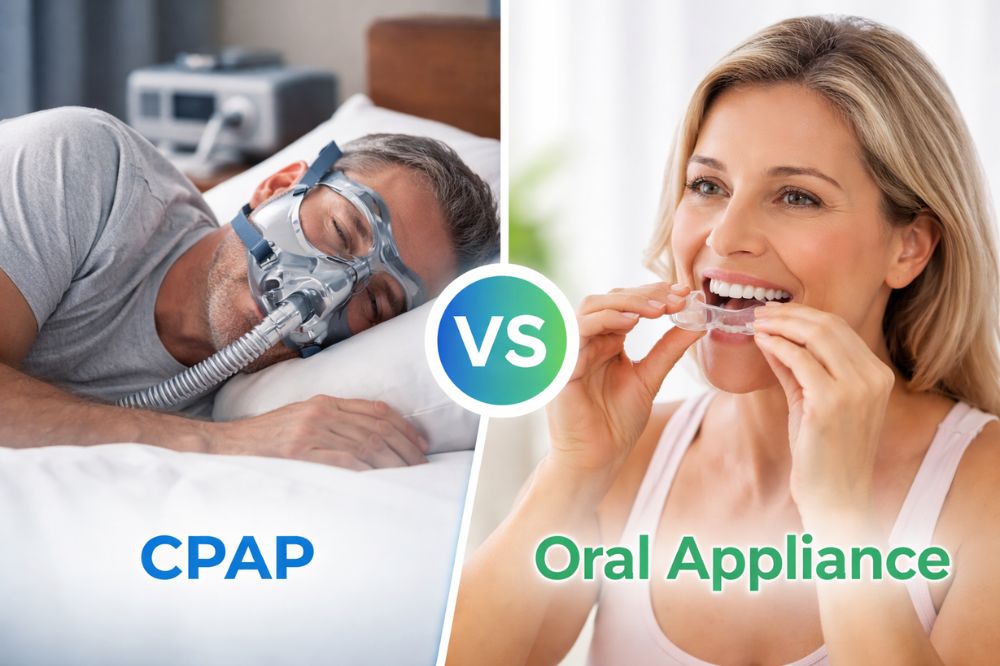
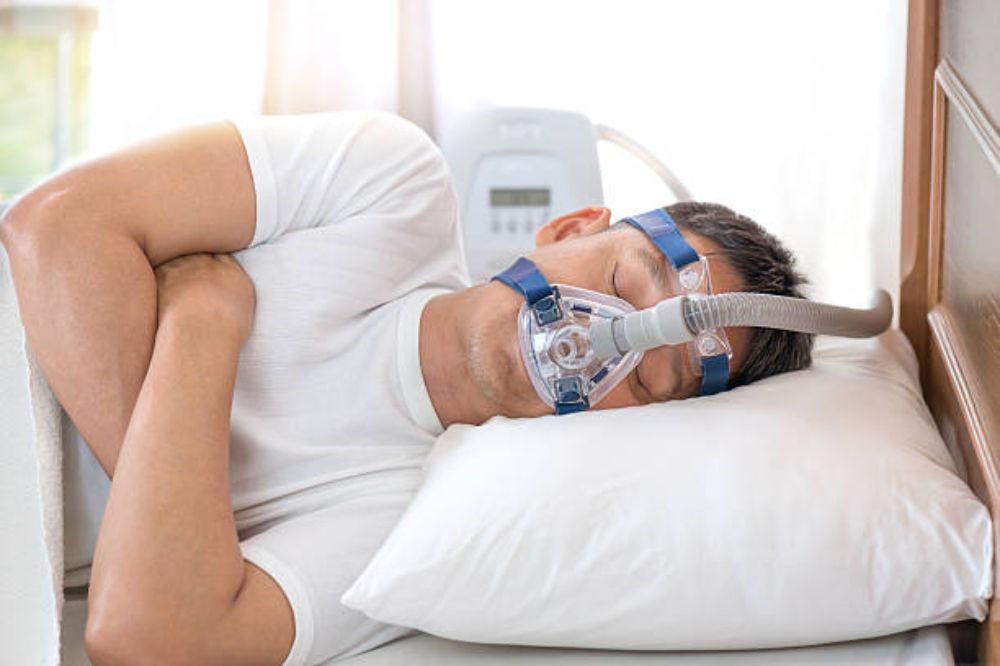
This information helps the experts decide if you need a special mouth guard or a breathing machine to keep your airway open.
How Can A Custom Mouth Guard Help?
For many people, the best fix isn’t a big machine, but a small tray that fits over your teeth. This tool works by gently holding your lower jaw just a little bit forward while you sleep.
- Opens the Airway: Moving the jaw keeps the tongue from falling back and blocking your breath.
- Quiet Sleep: When the path is wider, the skin stops shaking, which ends the snoring.
- Comfortable: Most people find a small mouth tray much easier to wear than a mask.
- Easy to Carry: You can easily put your mouth guard in a small case when you travel.
Easy Changes To Help You Sleep Better
Sometimes, simple changes at home can help you breathe better. While these might not fix a big problem, they can help reduce the noise and help you rest.
- Sleep on Your Side: Sleeping on your back makes it easier for your tongue to block your air.
- Watch Your Weight: Having extra weight around the neck can put pressure on your airway.
- No Alcohol at Night: Drinking before bed makes your throat muscles too relaxed, which causes more snoring.
- Drink Water: Staying hydrated protects your throat from getting dry.
Better Sleep for a Happier Life
Learning about the link between your snoring and your health is the first step toward a better life. You deserve to wake up feeling refreshed and ready for the day without a foggy brain.
Taking care of your breathing is one of the best things you can do for your body and your family. By choosing to fix your airway, you are making sure you have a healthier future.
At Sleep Apnea Center SD, we are here to help you find the right way to get quiet, healthy, and deep rest.
Are you ready to stop the snoring and start feeling like yourself again? Request an appointment with Sleep Apnea Center SD today to book your visit and get the peaceful sleep you deserve!
Can thin people have sleep apnea?
Yes, because the shape of your jaw or the size of your tonsils can cause breathing problems for anyone.
Does snoring get worse as you get older?
It often does because throat muscles get weaker over time, making the airway more likely to close.
Can a mouth guard replace a big machine?
For many people with mild or medium apnea, a custom mouth tray works very well and is easier to use.
Why do I wake up with a headache?
Morning headaches are a common sign that your brain was not getting enough oxygen while you were sleeping.