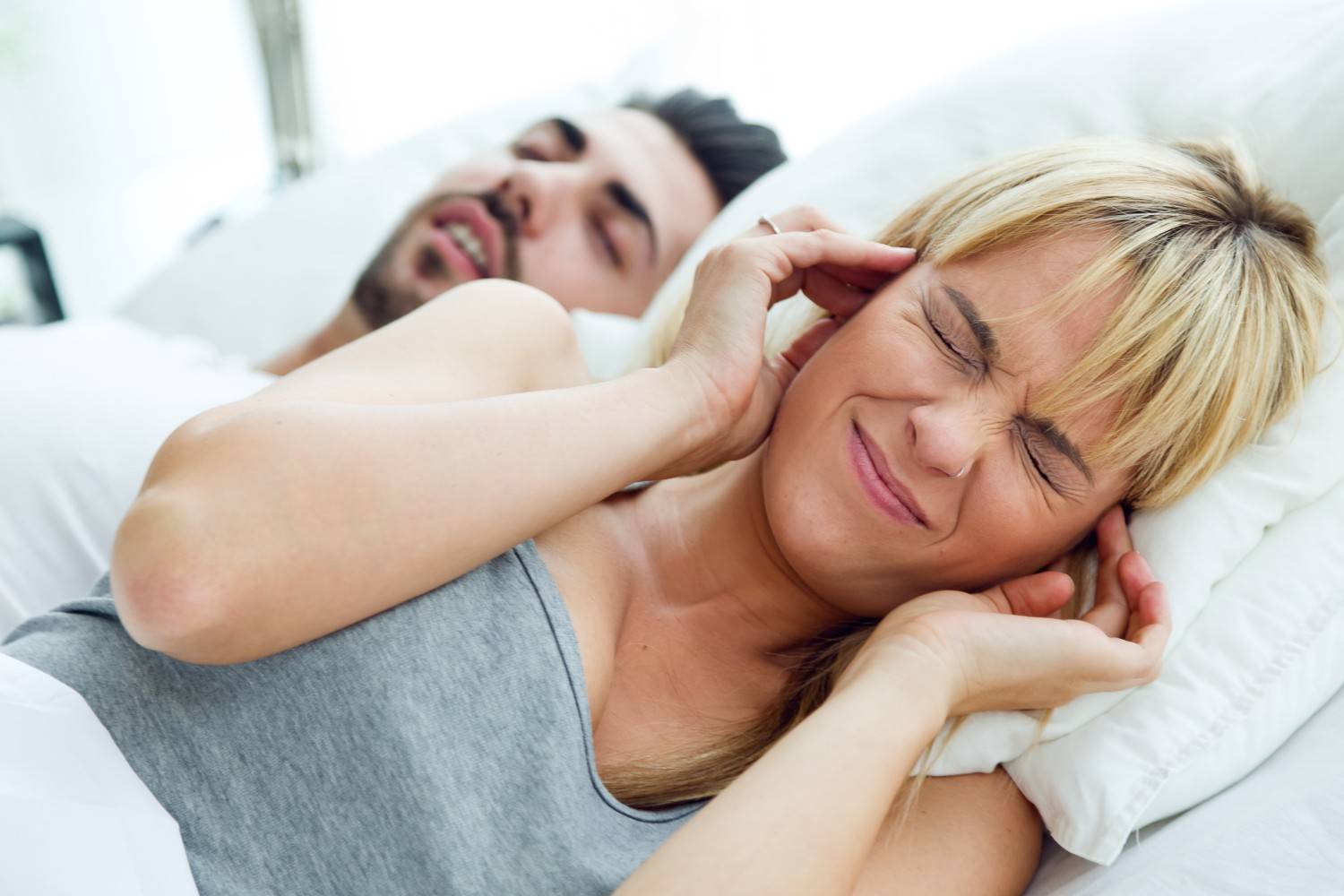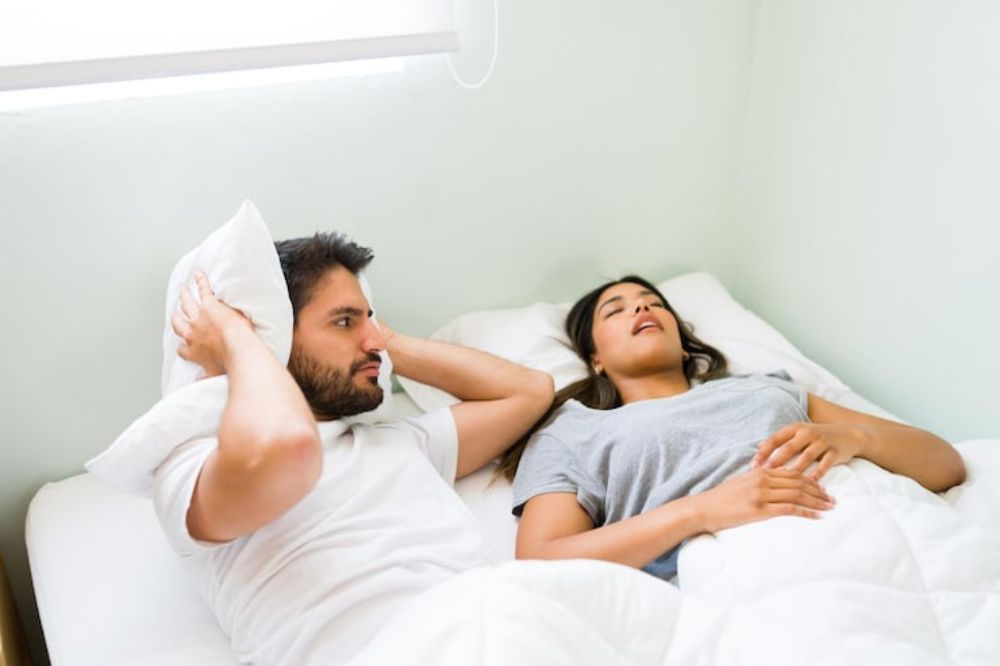
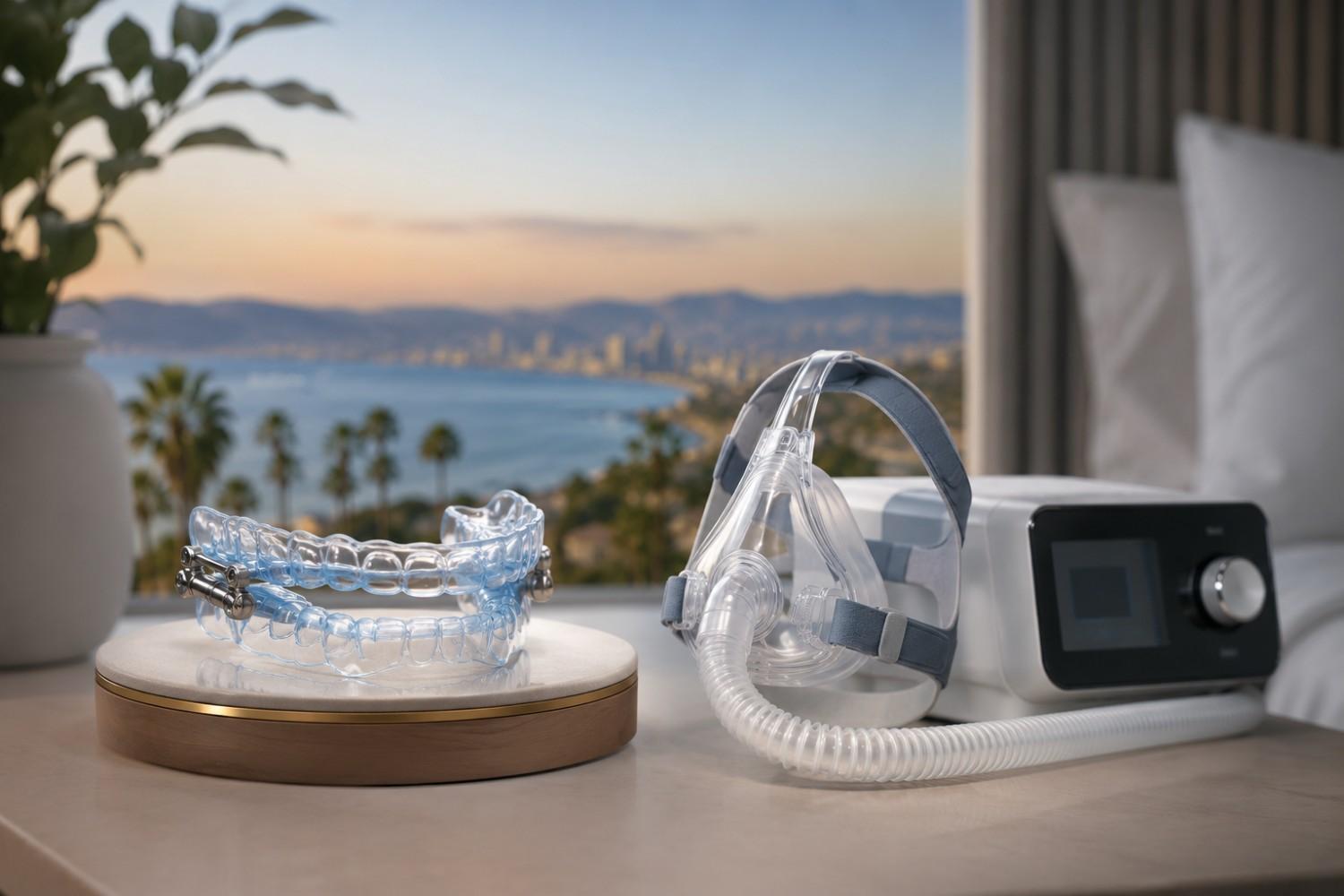
Which sleep apnea treatment is right for you, CPAP or an oral appliance? Sleep apnea is a condition that affects breathing during sleep and can lead to snoring, poor sleep, and daytime fatigue. A Sleep Apnea Clinic in San Diego may recommend CPAP therapy or oral appliance therapy based on your condition, sleep habits, and individual treatment needs.
What Is CPAP Therapy?
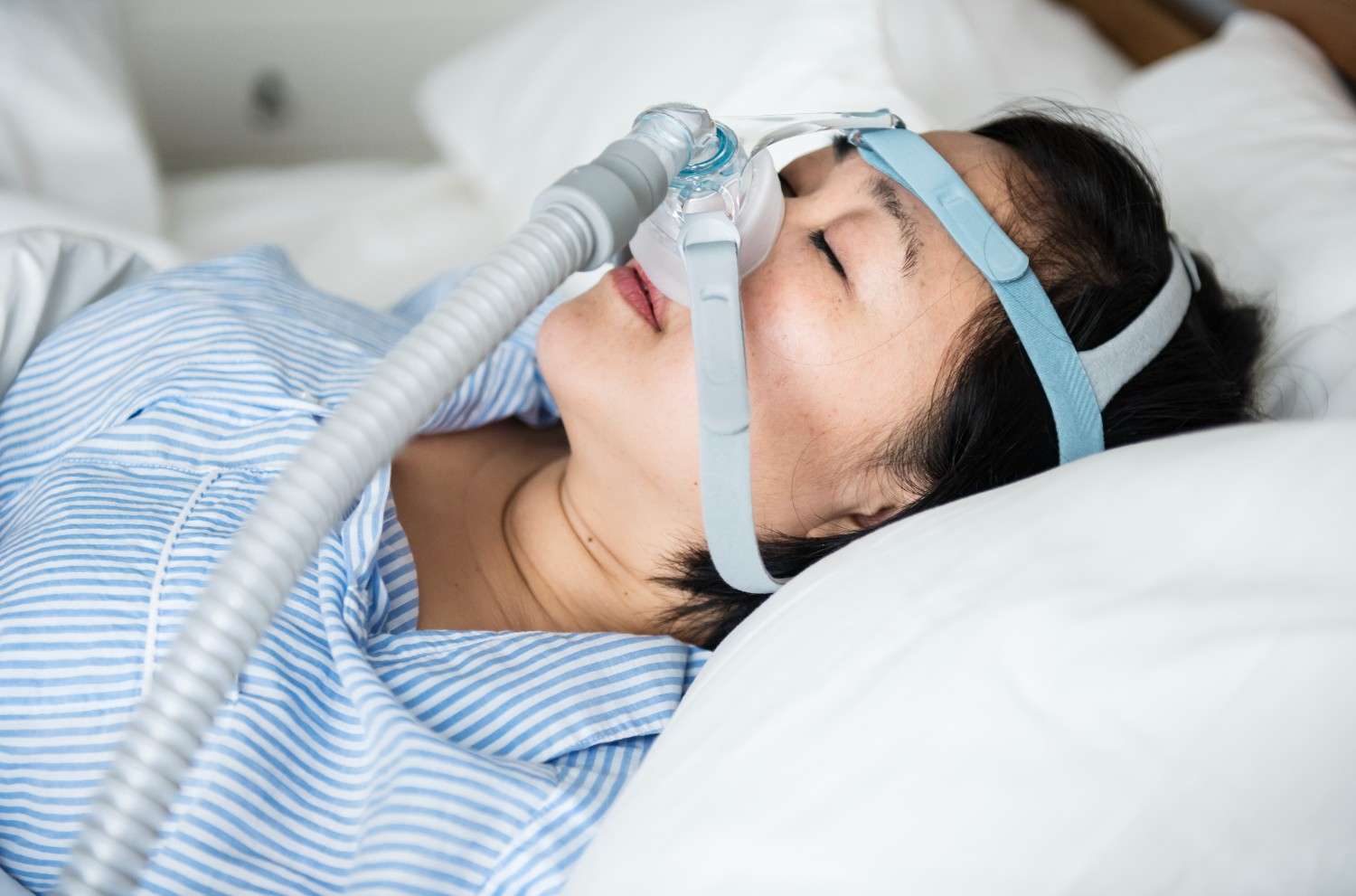
CPAP stands for Continuous Positive Airway Pressure. This treatment uses a machine connected to a mask that delivers a steady flow of air while sleeping. The air pressure helps keep the airway open throughout the night.
CPAP therapy is commonly prescribed for moderate to severe sleep apnea and is considered an established treatment option for many patients.
What Is Oral Appliance Therapy?
Oral Appliance Therapy in San Diego is a treatment that uses a custom-made device worn inside the mouth during sleep.
The appliance gently positions the lower jaw and tongue to help keep the airway open. It is designed to fit comfortably and can be customized based on the individual’s mouth structure.
Unlike CPAP, oral appliance therapy does not require a machine, tubing, or mask.
How Does Oral Appliance Therapy Work for Sleep Apnea?
The appliance helps reduce airway obstruction by slightly forward movement of the lower jaw during sleep. This adjustment can create more space in the airway and reduce the likelihood of collapse that may contribute to breathing interruptions.
The goal is to support more consistent airflow while sleeping.
CPAP vs Oral Appliance Therapy: Key Differences
Although both treatments aim to improve breathing during sleep, they work in different ways.
CPAP Therapy
- Uses air pressure
- Requires a machine and a mask
- Delivers continuous airflow
- Commonly used for moderate to severe sleep apnea.
Oral Appliance Therapy
- Uses a custom oral device
- No machine required
- Portable and compact
Often considered for mild to moderate sleep apnea or for individuals who cannot tolerate CPAP.
The most appropriate option depends on the individual’s diagnosis and treatment recommendations.
Is Oral Appliance Therapy Effective for Sleep Apnea?
For some people, oral appliance therapy can help improve sleep and reduce symptoms. How well it works depends on different factors, such as:
- Severity of sleep apnea
- Airway structure
- Consistency of use
- Overall health
Because every case is different, a professional evaluation is necessary to determine whether oral appliance therapy may be appropriate.
Who Needs Oral Appliance Therapy for Sleep Apnea?
This treatment may be considered for individuals who:
- Have mild to moderate sleep apnea
- Have difficulty adapting to CPAP equipment
- Travel frequently
- Prefer a compact treatment option.
- Have been advised by a sleep professional that oral appliance therapy may be suitable
Treatment recommendations should always be based on a proper sleep evaluation.
What Are the Advantages of Oral Appliance Therapy?
Many people appreciate oral appliance therapy because of its convenience.
Potential advantages include:
- Easy to travel with: The device is small and easy to carry.
- No extra equipment: It does not use masks, tubes, or machines.
- Quiet use: It works silently while you sleep.
- Simple Daily Use: The appliance is inserted before sleep and removed in the morning.
- Custom Fit: Each appliance is designed to fit the individual’s mouth.
These benefits may make treatment easier for some people to use consistently.
What Are the Advantages of CPAP Therapy?
CPAP therapy also offers important benefits.
- Continuous Airflow Support: The machine maintains constant airflow throughout the night.
- Commonly used for severe cases: CPAP is often suggested for people with more serious breathing problems during sleep.
- Adjustable settings: Air pressure can be adjusted based on the person’s needs.
- Long History of Use: CPAP has been used for many years as a treatment option for sleep apnea.
Which Treatment Is Easier to Use?
Ease of use varies from person to person.
Some people prefer oral appliance therapy because it does not require a mask or machine. Others find CPAP easier to use, and like that it gives steady airflow during sleep.
Factors that may influence treatment preference include:
- Comfort
- Travel needs
- Lifestyle
- Severity of sleep apnea
- Treatment goals
A sleep professional can help determine which option may be most suitable.
How Is the Right Treatment Chosen?
Treatment selection should be based on a thorough evaluation.
This may include:
- Sleep study results
- Medical history
- Airway assessment
- Symptom severity
- Personal preferences
If you are seeking care at a Sleep Apnea Center near you, you can discuss these factors and get guidance based on your specific condition.
Find a Sleep Apnea Solution That Fits Your Lifestyle
Better sleep starts with understanding the treatment options available for your specific needs. Whether you are exploring CPAP or oral appliance therapy, or seeking answers about sleep apnea symptoms, personalized guidance can help you make a confident, informed decision. Schedule a consultation to discuss your concerns, review your treatment options, and take the next step toward healthier, more restful sleep with Sleep Apnea Center.
FAQs
Can an oral appliance be used instead of CPAP?
For some people, an oral appliance may be an alternative to CPAP therapy. Whether it is a good option depends on how severe the sleep apnea is and your healthcare provider’s recommendation.
Is oral appliance therapy comfortable to wear?
The appliance is custom-made to fit the mouth, which may improve comfort during sleep.
Does CPAP start working right away?
Many people notice better sleep after starting CPAP, but it may take some time to get used to the device.
Can an oral appliance help with snoring?
Yes, some people snore less when an oral appliance helps keep their airway open during sleep.